

 CALL US NOW
 TEXT US NOW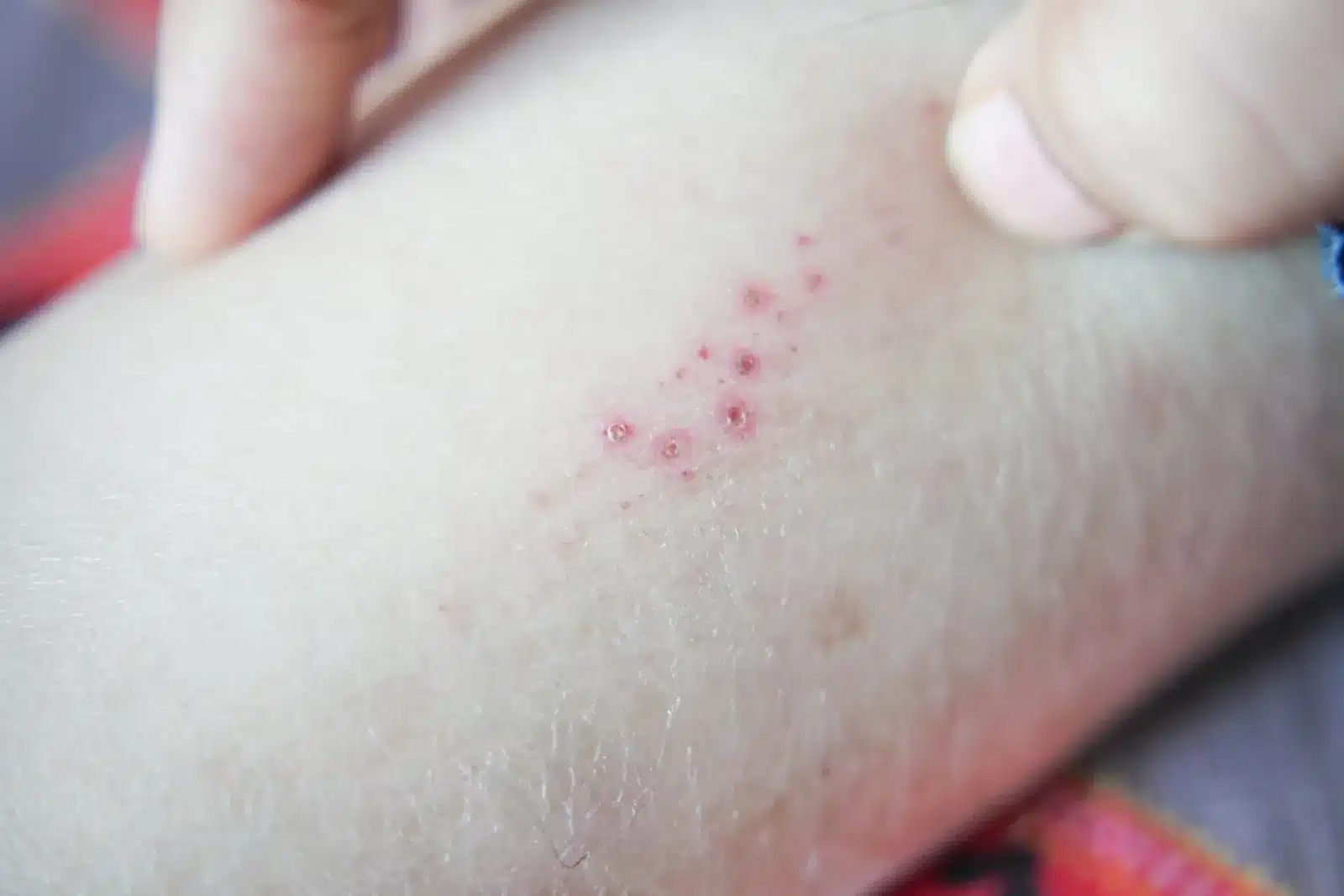

Can You Sue A Hotel For Bed Bug Injuries?
Yes, you can sue a hotel, motel, or resort if bed bugs caused you harm and the property failed to take reasonable steps to prevent or eliminate the infestation. Hotels have a duty to provide rooms that are safe and reasonably free from hazardous conditions, and bed bug infestations can qualify as a dangerous condition under premises liability law. If management knew or should have known about the issue and failed to act, they may be legally responsible for your injuries and losses. Compensation may include medical bills, property damage, lost wages, and emotional distress.
Key Takeaways
- Hotels, as well as short-term rental properties like Airbnb, can be liable when bed bugs injure guests and the property failed to act reasonably
- Proof often depends on documentation, medical records, and the hotel’s notice of prior issues
- Guests may recover for medical treatment, ruined belongings, lost time, and emotional distress
- The hotel’s insurer may dispute when and where the exposure occurred, so evidence matters
- Getting legal help early can protect key proof like incident records and inspection history
Donn Carr
Having worked with numbers of firms in the course of my career, by far and away, you were the easiest and most responsive I have ever come upon. The entire team has been responsive, creative, communicative, and a breath of fresh air. Finding this level of professionalism without the stuffiness that typically can come with many law firms truly sets you out from the rest. Please continue. You are making a difference.
Why Bed Bugs Are a Serious Hotel Safety Issue
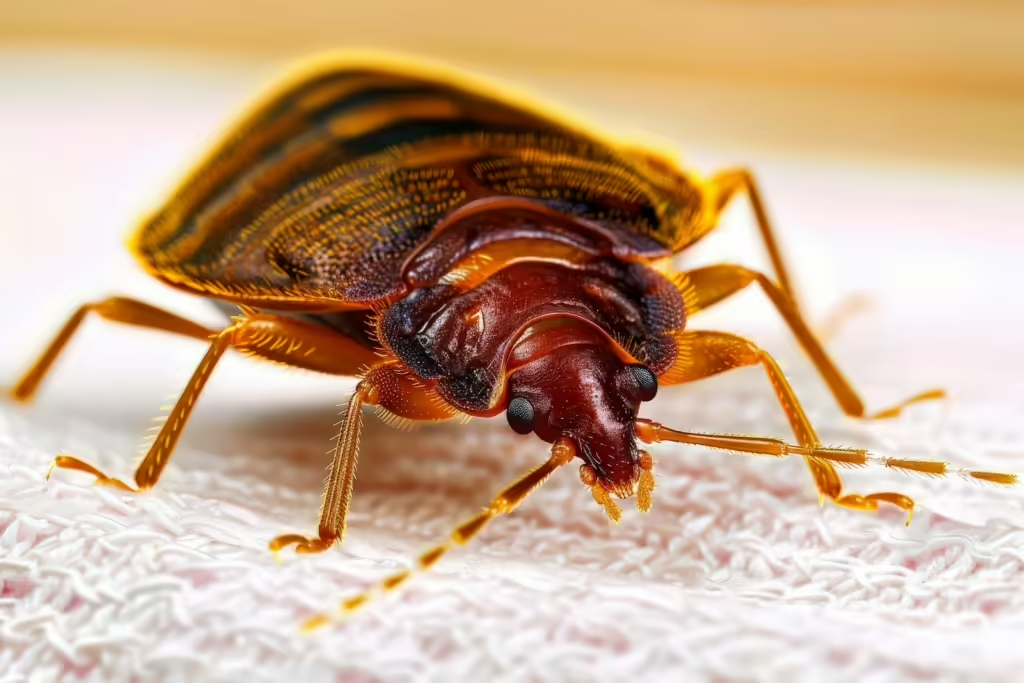
Bed bugs are more than an annoying travel inconvenience. For many guests, bed bug exposure leads to painful bites, allergic reactions, infections from scratching, scarring, and long-term sleep disruption or anxiety.
Hotels are high-risk environments because guests cycle through rooms constantly and pests can spread through luggage, furniture, and shared laundry systems. When a property fails to inspect and respond quickly, the infestation can become a predictable hazard for future guests.
Even mild bites can create real damages when a guest needs medical care, misses work, or replaces contaminated belongings. That is why bed bug claims are treated seriously under premises liability principles when the evidence supports hotel negligence.
How Hotels Become Legally Responsible for Bed Bug Injuries
Hotels owe guests a duty of reasonable care to provide safe and habitable rooms. That duty typically includes reasonable inspection practices, prompt response to complaints, and professional remediation when pests are found.
A hotel may be legally responsible when it:
- Ignores or minimizes guest complaints
- Fails to inspect rooms between stays
- Uses ineffective treatment or delays extermination
- Moves guests into adjacent or previously infested rooms
- Fails to warn guests when there is a known issue
Liability usually turns on whether the hotel’s conduct was reasonable under the circumstances. If a hotel had warning signs and did not act appropriately, it may be responsible for what happened next.
What You Must Prove in a Bed Bug Lawsuit
Bed bug cases often come down to proof of notice and timing. In plain terms, you generally need to show that the hotel’s actions (or inaction) allowed the infestation to harm you.
- A strong claim typically establishes:
- You were a lawful guest on the premises
- Bed bugs were present in the room during your stay
- The hotel knew or should have known of the infestation
- The hotel failed to take reasonable steps to fix or prevent it
- You suffered injuries or financial losses as a result
Hotels frequently argue that guests brought bed bugs with them or that the bites occurred elsewhere. The better your documentation, the easier it is to connect the exposure to the hotel stay.
Evidence That Strengthens a Bed Bug Claim
Because insurers often dispute where the exposure happened, documentation can make or break the case. The goal is to preserve proof that bed bugs were present and that you suffered real harm tied to that stay.
Helpful evidence includes:
- Photos or video of bites over time (with date stamps if possible)
- Photos of bed bugs, shedding, dark spotting, or mattress seams
- Medical records diagnosing bites, allergic reactions, or infection
- Written complaints to management and the names of staff you spoke with
- Receipts for clothing, luggage, or items you had to discard or treat
- Statements from travel companions who also observed bites or bugs
This evidence helps establish both liability and damages. It also limits the hotel’s ability to claim the issue is unproven or unrelated.
Real-Life Situations Where Hotels Are Sued for Bed Bugs
Bed bug cases happen in luxury resorts, budget motels, and everything in between. These scenarios show how liability often develops and what issues commonly come up during a claim.
A Family Vacation Stay With Immediate Bites
A family checks in, sleeps one night, and wakes up with clustered bites. The front desk acknowledges prior complaints but offers only a room change and no written incident report.
Why liability may apply: prior complaints can show notice, and early documentation can connect the exposure to the room. Quick medical confirmation strengthens the injury timeline.
A Business Traveler Who Brings Bed Bugs Home
A traveler notices bites after a hotel stay and later finds bugs in luggage at home. The traveler pays for extermination and replaces clothing and bedding.
Why liability may apply: damages expand beyond bites when the infestation spreads to personal property. Receipts, pest reports, and travel dates become key.
An Extended-Stay Guest With Escalating Harm
A guest staying multiple weeks reports bites repeatedly, but management delays professional treatment. Symptoms worsen and may include infection, scarring, or severe anxiety.
Why liability may apply: repeated reports and delayed action can show unreasonable conduct. Long-term stays often create clearer patterns of notice and recurring harm.
These examples show how quickly a “pest problem” becomes a serious legal issue. They also highlight why documenting the problem early is one of the most important steps you can take.
What Compensation May Be Available for Bed Bug Injuries
Bed bug claims can involve both physical harm and financial loss. Compensation is designed to cover the full impact of the incident, not just the immediate discomfort.
Depending on the facts, you may be able to recover:
- Medical bills, prescriptions, and follow-up care
- Treatment for allergic reactions or infections
- Lost wages or missed work time
- Costs to replace or clean contaminated items
- Pain and suffering from physical symptoms and scarring
- Emotional distress, sleep disruption, and anxiety
- Out-of-pocket travel costs (switching hotels, early checkout)
The value of a claim depends on the severity of injury and the strength of proof. Even when injuries seem “minor,” the total losses can add up quickly once property damage and treatment are included.
Fair Compensation for Bed Bug Bites From a Hotel
Fair compensation in a hotel bed bug case is meant to reflect the full physical, emotional, and financial impact the infestation had on your life; not just the cost of a doctor visit. Many victims underestimate the value of their claim because bed bug injuries often involve hidden damages like anxiety, lost sleep, ruined belongings, and ongoing medical care that insurance companies try to minimize.
A fair settlement typically considers multiple factors, including:
- The severity and duration of the bites
- Whether infection, scarring, or allergic reactions occurred
- The need for medical treatment or dermatology care
- Emotional distress, anxiety, and sleep disruption
- Lost work time or business travel interruption
- The cost of replacing contaminated clothing, luggage, or furniture
- Whether the hotel ignored prior complaints or delayed treatment
Hotels and their insurers often try to offer quick, low-value settlements that cover only immediate medical bills or a room refund. Those offers usually do not account for the full scope of harm, especially when guests later develop complications or discover that their belongings are permanently infested.
True fair compensation should place you as close as possible to the position you were in before the infestation happened. When a hotel’s negligence turns a stay into a health and financial crisis, the law allows victims to pursue damages that reflect the real-world impact; not just what the hotel is willing to pay.
State Law and Deadline Considerations for Hotel Bed Bug Claims
Hotel bed bug cases are governed not only by premises liability law, but also by strict filing deadlines that vary by state. Missing the statute of limitations can permanently bar your claim, even when the hotel was clearly negligent, which makes early legal guidance especially important.
In Florida, guests generally have two years to file a personal injury lawsuit arising from a hotel bed bug injury. Texas also applies a two-year deadline, and requires proof that the hotel had actual or constructive knowledge of the infestation and failed to act. Michigan allows up to three years to file most injury claims, while Massachusetts generally provides a three-year statute of limitations for personal injury lawsuits. Louisiana is far more strict; injury claims typically must be filed within one to two years, depending on the timing of when the claim arises.
Across all of these states, hotels and their insurers often argue that the guest waited too long to report bites, that exposure occurred elsewhere, or that evidence has gone stale. Acting quickly protects not only your health, but also your legal rights, your ability to preserve proof, and your opportunity to recover compensation before the deadline expires.
What to Do If You Find Bed Bugs During a Hotel Stay
What you do immediately after discovering bed bugs can shape the entire claim. The goal is to protect your health and preserve proof before the room is cleaned or altered.
Helpful steps include:
- Take clear photos/video of the room, bed seams, and any visible bugs
- Photograph bites in good lighting, and continue documenting over days
- Report the issue to management right away and ask for written confirmation
- Request an incident report or email acknowledgment of your complaint
- Seek medical care, especially if symptoms are severe or worsening
- Bag potentially contaminated items to preserve evidence
- Keep receipts for replacement clothing, toiletries, and alternate lodging
These steps help link your injuries to the hotel stay and reduce the chance of denial. They also protect other guests by creating a record of the hazard.
How RTRLAW Helps Bed Bug Injury Victims
Bed bug cases often involve resistance from hotel insurers, especially when the hotel claims it had no notice or that the guest caused the infestation. That is why careful investigation and evidence preservation are so important from the beginning.
RTRLAW helps by:
- Gathering incident documentation and building a clear timeline
- Identifying where notice existed and what the hotel did (or didn’t) do
- Working with medical records to prove injury and damages
- Negotiating with insurance carriers and pushing back on denial tactics
- Taking legal action when a fair settlement isn’t offered
If bed bugs turned your stay into a health and financial ordeal, you deserve to know your options. Contact RTRLAW today for a free consultation and let our team help you pursue the recovery you deserve.
Revision History:
- Jan 27, 2026 at 3:21 pm by Lance Rudzinski
- Jan 27, 2026 at 3:21 pm by RTRLAW
- Jan 15, 2026 at 5:38 pm by RTRLAW (displayed above)
- Jan 15, 2026 at 5:31 pm by RTRLAW
- Jan 15, 2026 at 5:31 pm by RTRLAW