

 CALL US NOW
 TEXT US NOW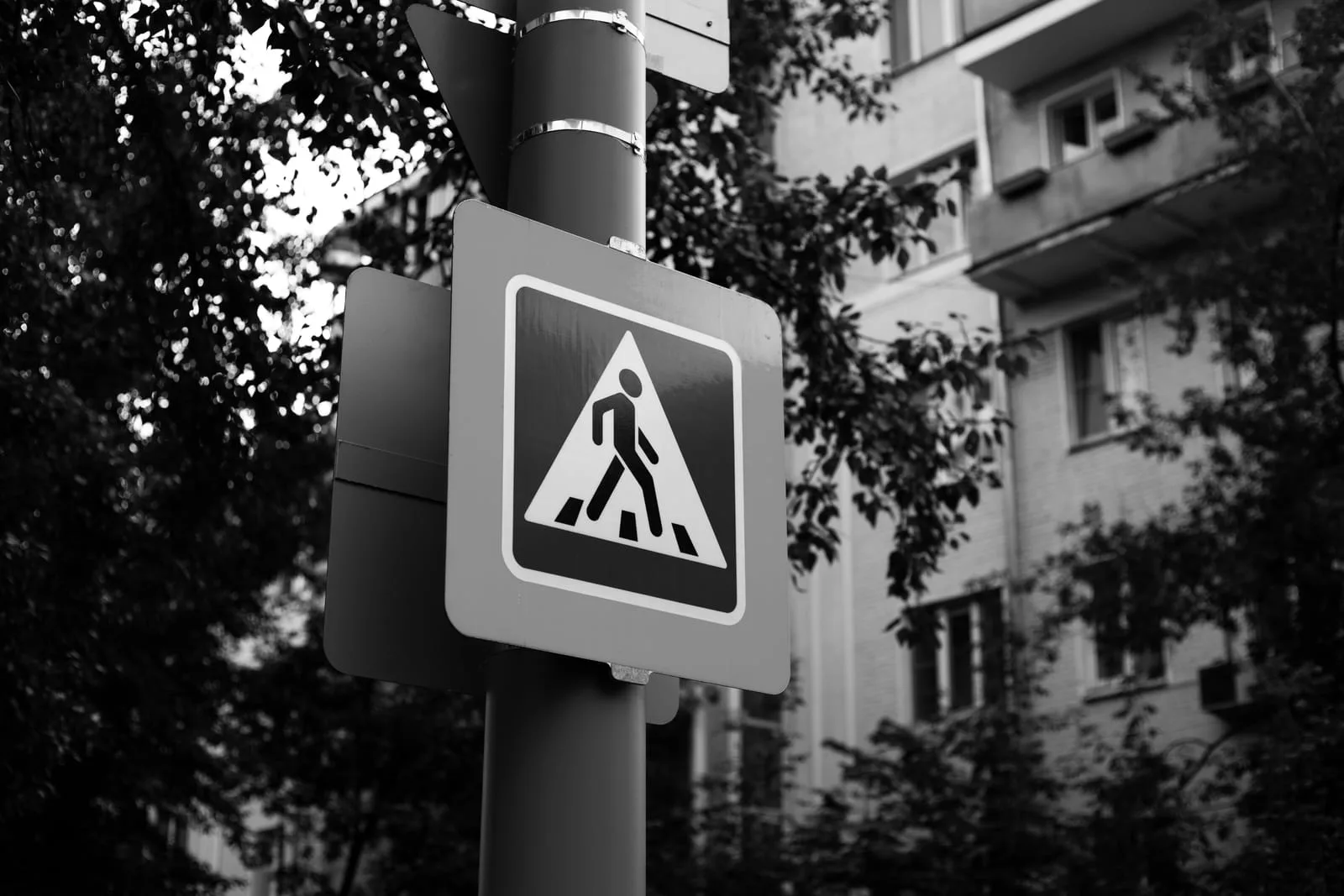

When Do Pedestrians Have the Right of Way in Florida?
Florida is one of the most dangerous states in the country for pedestrians. Busy intersections, high-speed roads, tourism traffic, and distracted driving all contribute to pedestrian collisions every year. Because of this, it’s critical to understand when pedestrians legally have the right of way and when they are required to yield to vehicles.
Knowing these rules protects both drivers and pedestrians, and can play a major role in determining fault and compensation after an accident. RTRLAW helps injured pedestrians across Florida pursue justice and compensation when drivers fail to follow the law.
Do Florida Pedestrians Always Have the Right of Way?
A common misconception is that pedestrians always have the right of way simply because they are more vulnerable. While Florida law does provide strong protections, pedestrians do not automatically have the right of way in every situation.
Instead, right-of-way rules depend on:
- Whether the pedestrian is in a marked or unmarked crosswalk
- Whether traffic signals are present and being followed
- Whether the pedestrian is crossing mid-block or outside designated areas
- The actions of the driver (speeding, distraction, failure to yield)
Drivers must exercise due care to avoid hitting pedestrians, but pedestrians also have legal duties to cross safely and obey signals.
Understanding these rules is essential after an accident, because fault may affect your ability to recover damages.
Situations Where Pedestrians Legally Have the Right of Way
Florida law is clear. Pedestrians have the right of way in certain specific circumstances, such as:
- Marked Crosswalks and Intersections: When a pedestrian is in a marked crosswalk or crossing an intersection, vehicles must yield.
- Pedestrian Signals Showing “Walk”: If the pedestrian signal indicates it is safe to cross, drivers must stop and allow the pedestrian to cross completely.
- Unmarked Crosswalks at Intersections: Even without painted lines, intersections are legally considered crosswalks.
- Sidewalks and Driveways: Drivers must yield to pedestrians on sidewalks when entering or exiting driveways, parking lots, or private roads.
In these situations, if a driver strikes a pedestrian, the driver is often considered at fault; especially if speeding, texting, or failing to check surroundings plays a role in the accident.
Situations When Pedestrians DO NOT Have the Right of Way in Florida
There are circumstances where pedestrians are required to yield to vehicles, and failing to do so may contribute to accident liability.
Examples include:
- Crossing outside a crosswalk (jaywalking): If a pedestrian crosses mid-block where no crosswalk exists, vehicles have the right of way.
- Crossing against a traffic signal: If the pedestrian signal displays “Don’t Walk,” pedestrians must not enter the roadway.
- Suddenly stepping into traffic: Pedestrians may not step into the path of a moving vehicle so suddenly that the driver has no reasonable chance to stop.
- Walking along highways or bridges where pedestrian access is restricted: Certain roadways legally prohibit pedestrian access.
Even if a pedestrian did not have the right of way, that does not automatically mean they are at fault.
Since March of 2023, Florida now follows modified comparative negligence, this means that an injured person can only recover damages if their share of fault is less than 51%. If their fault is 50% or less, their damages will be reduced by their percentage of fault, but they can still recover compensation. However, if a person is found to be 51% or more at fault, they cannot recover any damages.
Valerie Thompson
Can You Sue After a Pedestrian Accident If You Had the Right of Way?
If a driver hit you while you legally had the right of way, you may be able to pursue compensation for:
- Medical bills and emergency treatment
- Ongoing rehabilitation or surgeries
- Lost wages or reduced ability to work
- Pain and suffering
- Permanent disability, scarring, or mobility loss
Even if you did not have the right of way, you may still have a valid claim. Especially if the driver was:
- Speeding
- Distracted
- Driving under the influence
- Failing to keep a proper lookout
RTRLAW investigates how the crash occurred, works with medical and accident reconstruction experts, and fights to secure every dollar of compensation you may be entitled to.
Have You Been Injured as a Pedestrian in Florida? RTRLAW is Ready to Help.
Pedestrian accident cases can be complex, especially when insurers argue over who had the right of way. You should not navigate that process alone. RTRLAW has represented thousands of injured pedestrians throughout Florida for decades, and we know how to challenge insurance company attempts to shift blame or minimize your claim.
If you or a loved one was hit by a vehicle while walking, contact RTRLAW at 1-833-HIRE-RTR (1-833-447-3787) for a free, confidential case review.
Revision History:
- Jan 13, 2026 at 6:30 am by Lance Rudzinski (displayed above)
- Jan 13, 2026 at 6:30 am by victor