

 CALL US NOW
 TEXT US NOW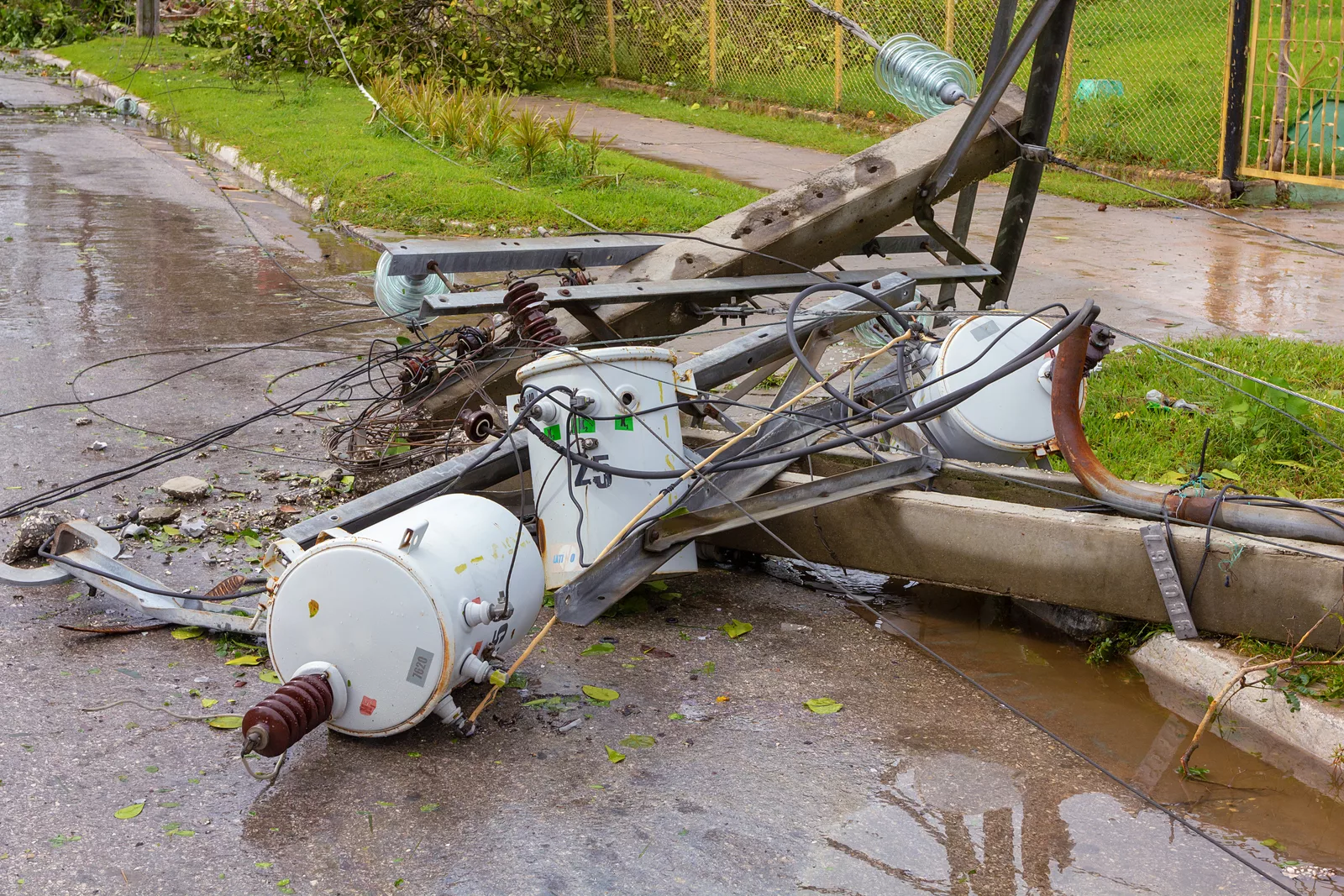

Who Can Be Held Accountable if a Downed Power Line Injures You?
If a downed power line injures you, liability depends on who controlled, maintained, or created the dangerous condition. Utility companies, property owners, contractors, and government agencies may all be legally responsible if they failed to inspect, maintain, or secure electrical equipment. These injuries often involve violations of safety standards, delayed repairs, or ignored hazards. Victims may pursue compensation for medical bills, lost income, permanent injuries, or wrongful death.
Key Takeaways
- Downed power lines are often caused by poor maintenance, storms, vehicle impacts, or construction errors
- Utility companies may be liable when they fail to inspect, repair, or de-energize lines
- Property owners and contractors can also be responsible
- These injuries are usually catastrophic and life-altering
- Evidence and fast legal action are critical to protecting your claim
Adriely Ribeiro
RTR LAW is an outstanding law firm specializing in personal injury cases, and they truly excel in their field. Their team of attorneys is knowledgeable, dedicated, and compassionate, ensuring that clients feel supported through every step of the legal process. RTR LAW demonstrates a high level of expertise in personal injury law, striving to secure maximum compensation for clients who have suffered due to accidents, negligence, or other incidents. They handle each case with meticulous attention to detail, providing personalized legal strategies that make a difference. For anyone needing legal assistance in personal injury, RTR LAW is a top choice for reliability and exceptional results.
Why Downed Power Lines Are So Dangerous
Downed power lines create one of the most lethal hazards found in public spaces because electricity does not stay contained within a visible wire. Current can travel through air, water, metal, concrete, and soil, making these situations dangerous even when a person never touches the line.
Because the human body conducts electricity, exposure can cause massive internal damage in a fraction of a second. Many victims are unaware of the danger until it is too late.
High-voltage electrical exposure can cause:
- Cardiac arrest
- Severe internal and external burns
- Brain and nerve damage
- Muscle destruction
- Amputations
- Death
These injuries are often catastrophic and permanently life-changing. Even survivors may face years of medical treatment, rehabilitation, and disability.
What Causes Power Lines to Fall
Power lines rarely fail without warning or contributing factors. Most incidents trace back to mechanical failure, environmental stress, or human error.
Common causes include:
- Hurricanes, lightning, and high winds
- Vehicle crashes into utility poles
- Tree limbs growing into power lines
- Aging or deteriorated infrastructure
- Construction or excavation damage
- Failure to trim vegetation
- Broken insulators or supports
Each of these hazards requires routine inspection and maintenance to prevent collapse. When those responsibilities are ignored, serious injury becomes much more likely.
Who May Be Legally Responsible
Downed power line cases often involve more than one negligent party. Determining responsibility requires examining who owned, maintained, or disturbed the electrical system before the injury occurred.
Utility Companies
Electric utilities are responsible for inspecting, maintaining, trimming, repairing, and de-energizing their lines when hazards arise. If they fail to respond to known risks or allow dangerous conditions to persist, they may be legally liable.
Property Owners
Property owners may be responsible when private service lines are damaged, when known hazards on their land are ignored, or when fallen lines remain accessible to the public.
Contractors and Utility Crews
Construction and utility contractors can cause lines to fall by digging, moving poles, or operating equipment too close to energized wires. Failure to follow safety protocols can make them directly liable.
Government Agencies
Cities and counties may be responsible when municipal electrical systems, traffic lights, or public-space wiring creates a dangerous condition that injures someone.
Multiple parties may share responsibility in the same case. Identifying every liable party helps ensure full compensation is available.
What Evidence Matters in a Downed Power Line Case
Electrical injury claims are highly technical and evidence-driven. The stronger the documentation, the more difficult it is for negligent parties to deny responsibility.
Important evidence includes:
- Utility inspection and maintenance records
- Storm response timelines
- Prior hazard complaints
- Photographs and video of the scene
- Witness statements
- Engineering and electrical expert reports
This information often reveals whether the hazard existed long before the injury. When a company ignored warnings or failed to act, liability becomes much clearer.
Real-World Situations Where Downed Lines Injure People
Downed power line injuries occur in many everyday environments, not just on job sites. These incidents often happen suddenly, without warning.
Storm-Related Neighborhood Line
A hurricane knocks down a power line into a residential street, and the utility fails to de-energize it for hours. A resident walking nearby is electrocuted through ground current.
Construction Zone Contact
A crane or lift contacts an overhead line that was not properly marked. Nearby workers suffer burns, nerve damage, or cardiac complications.
Vehicle Crash Into Utility Pole
A driver strikes a utility pole, causing a live wire to fall onto a sidewalk. A pedestrian is severely injured by electrical exposure.
Each scenario involves different parties, but all depend on whether safety protocols were followed. Investigating who failed to act is the key to accountability.
What Compensation May Be Available
Electrical injuries often result in some of the highest medical costs of any personal injury. Victims may require intensive treatment, surgery, rehabilitation, and long-term care.
Compensation may include:
- Emergency and hospital care
- Ongoing medical treatment
- Lost income and earning ability
- Pain and suffering
- Permanent disability
- Disfigurement
- Wrongful death damages
When someone is injured on the job, workers’ compensation may apply, but that does not prevent lawsuits against negligent third parties. Many victims qualify for both types of recovery.
Florida Law and Downed Power Line Claims
Florida allows injured people to bring negligence claims against utilities, contractors, property owners, and government agencies. These claims are based on whether a party failed to take reasonable steps to prevent foreseeable electrical hazards.
Florida also follows comparative fault rules, meaning injured victims may still recover compensation even if they were partially responsible.
However, claims against government entities and utilities often have special notice requirements and short deadlines.
Understanding these legal rules is critical before pursuing a claim. Missing a deadline can permanently eliminate your right to compensation.
What to Do If You Encounter a Downed Power Line
Downed power lines must always be treated as energized and deadly. Even if the wire looks inactive, electricity may still be flowing.
You should:
- Stay at least 35 feet away
- Avoid touching anything near the line
- Never drive over it
- Call 911 and the utility company immediately
If someone is injured, emergency response and scene documentation are vital. What happens in the first minutes can determine both survival and legal outcomes.
How RTRLAW Helps Electrical Injury Victims
Electrical injury cases involve multiple defendants, complex technical evidence, and aggressive insurance defense teams. RTRLAW has the experience to investigate these claims thoroughly and identify every party who contributed to the danger.
Our attorneys work with engineers, utility experts, and medical professionals to build strong cases. We handle insurers, preserve evidence, and pursue full compensation for medical bills, lost income, and long-term harm.
If you or a loved one was injured by a downed power line, contact RTRLAW today for a free case review.
Revision History:
- Jan 15, 2026 at 6:00 pm by Lance Rudzinski
- Jan 15, 2026 at 6:00 pm by RTRLAW
- Jan 8, 2026 at 9:08 pm by RTRLAW (displayed above)
- Jan 8, 2026 at 9:08 pm by victor