

 CALL US NOW
 TEXT US NOW

How Can Negligent Security Lead to Sexual Assault?
Negligent security can lead to sexual assault when a property owner fails to take reasonable steps to keep visitors, tenants, and customers safe. This often includes missing or broken security cameras, poor lighting, unlocked access points, lack of security guards, or ignoring prior incidents of crime. When these safety measures are neglected, it creates an environment where attackers can act with little risk of being seen or stopped. If an assault occurs because a property owner did not protect people from foreseeable dangers, the survivor may have a legal claim for compensation, and should consult with a sexual assault victim lawyer right away!
Key Takeaways:
- Property owners must take reasonable steps to protect visitors from foreseeable criminal acts
- Poor lighting, broken locks, missing cameras, or lack of security can create the conditions for a sexual assault
- Landlords, hotels, bars, parking garages, and shopping centers are common locations for negligent security claims
- Survivors may pursue compensation for medical care, emotional trauma, lost income, and long-term effects
- Florida and Texas laws allow victims to file premises liability claims when safety measures are ignored
Christian Guadalupe
I can’t put into words how much I appreciate the professionalism of Bernice She is polite hard working and personable. I’d give 10 stars if I could.
Understanding Negligent Security in Sexual Assault Cases
Negligent security is a type of premises liability claim that arises when a property owner or business fails to provide adequate protection against foreseeable criminal acts. While no property owner can prevent every crime, they do have a legal responsibility to take reasonable measures to keep visitors safe, especially, in places where crime has happened before or where vulnerabilities are obvious.
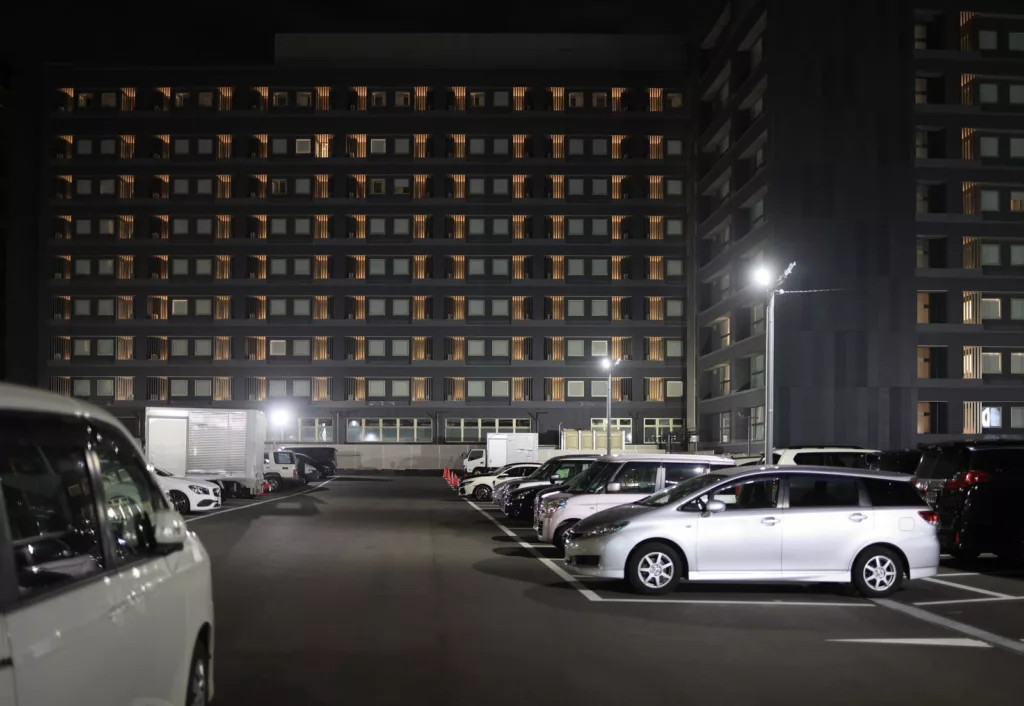
Inadequate security doesn’t just increase the risk of theft or property damage. It can create the perfect conditions for violent crimes, including sexual assault. When lighting is dim, access points aren’t secured, or surveillance is missing, attackers are more likely to target vulnerable individuals who are alone, distracted, or unaware of hidden risks.
Sexual assault survivors face not only physical injuries, but also significant emotional trauma and long-term psychological effects. Holding negligent property owners accountable can help survivors obtain justice and prevent future assaults in the community.
How Can Negligent Security Create Opportunities for Sexual Assault?
Sexual assaults on commercial and residential properties often occur not because an attacker is particularly clever, but because basic safety measures were ignored.Understanding how negligent security contributes to these incidents helps clarify why property owners must take safety seriously:
- Poor Lighting in Parking Lots, Stairwells, and Hallways: Dark, isolated areas are among the most common locations where sexual assaults occur. When property owners fail to install or maintain proper lighting, it becomes much harder for individuals to see threats; or for witnesses or cameras to capture criminal activity.
- Broken or Missing Locks and Access Controls: Unsecured entrances, malfunctioning gate systems, or broken door locks allow attackers to enter buildings or restricted areas undetected. Apartment complexes and hotels are especially vulnerable when key-card systems are not monitored or maintained.
- Lack of Security Personnel: Some locations, nightclubs, bars, parking garages, and large residential complexes, require trained security staff to monitor activity, deter criminals, and respond quickly to suspicious behavior. When owners reduce staffing or hire untrained personnel, it increases the chance of serious incidents, including sexual assault.
- No Surveillance Cameras or Non-Functioning Systems: Cameras act as both a deterrent and a valuable tool for identifying attackers. When cameras are missing, pointed incorrectly, or not recording, perpetrators can act without fear of being caught.
- Ignoring Prior Incidents or Crime Trends: One of the biggest factors in negligent security cases is foreseeability. If a property owner knows, or should know, that crime is common in the area but fails to upgrade safety measures, they may be liable when an assault occurs.
Each of these security failures, whether it’s a burned-out light or a malfunctioning lock, may seem small on its own, but together they can create an environment where sexual assault becomes far more likely. When businesses or property owners ignore known risks, they place their tenants, guests, and customers in harm’s way. Identifying these gaps early can help prevent serious crimes and ensure that survivors have the evidence needed to hold negligent parties accountable.
Real-Life Examples of Negligent Security Leading to Sexual Assault
Negligent security can take many forms, and the impact often becomes clearer when looking at real-world situations. Common safety oversights can directly contribute to an assault in cases such as:
- Assault in an Apartment Complex: A tenant is attacked in a stairwell after repeated complaints to management about burned-out lights and a broken side-door lock. There was negligence because the property ignored known safety hazards and failed to secure access points.
- Hotel Fails to Monitor Key-Card Access: A hotel guest is assaulted after a stranger enters the building through a propped-open back door. There was negligence because the hotel failed to enforce key-card access or monitor entrances.
- Nightclub Reduces Security Staffing: A patron is assaulted in a dark parking area after the nightclub cuts back on trained security personnel. There was negligence because the business failed to provide reasonable protection in a location known for late-night crime.
These examples show how quickly a preventable situation can turn dangerous when basic security measures are overlooked. Sexual assaults that happen under these circumstances are not random. They are often the predictable result of ignored warnings or inadequate security measures. Recognizing these patterns helps survivors understand their rights and strengthens the path toward justice and accountability.
What Survivors Can Recover in a Negligent Security Sexual Assault Case
Survivors of sexual assault caused by security negligence may be entitled to compensation that helps rebuild their safety, health, and stability. These damages recognize both the immediate impact of the assault and the long-term challenges that often follow, including:
- Medical bills and future treatment
- Therapy and mental health counseling
- Lost income or work disruptions
- Emotional distress and PTSD
- Pain and suffering
- Relocation expenses
- Safety-related costs (locks, devices, security upgrades, etc.)
In some cases, survivors may also seek punitive damages when a property owner’s conduct shows a serious disregard for safety. These additional damages are meant not only to hold negligent parties accountable but also to encourage stronger security practices that protect others.
State-Specific Laws That Affect Negligent Security Claims
Negligent security cases are heavily influenced by state-specific rules that determine a property owner’s responsibilities, what counts as “foreseeable” criminal activity, and how long survivors have to bring a claim. Although similar principles apply nationwide, Florida and Texas each have unique statutes and legal standards that shape how these cases are evaluated:
Florida
Florida premises liability law requires property owners to take reasonable steps to protect visitors from foreseeable criminal acts. Key statutes include:
- Florida Statutes § 768.0755: Business premises liability for criminal acts
- Florida Statutes § 95.11: Two-year statute of limitations for negligence claims
- Florida courts often consider prior criminal activity as evidence of foreseeability
Apartment buildings, hotels, bars, and parking garage operators are frequently involved in negligent security claims under Florida law.
Texas
In Texas, property owners owe a duty to protect guests from crimes that are reasonably foreseeable. Relevant law includes:
- Texas Civil Practice & Remedies Code § 75.002 / § 93.001: Outlining premises liability duties
- Texas uses a “reasonably prudent property owner” standard to evaluate security steps
- Claims generally must be filed within two years
Texas courts often evaluate whether the owner ignored prior incidents, failed to repair known security problems, or lacked proper lighting or surveillance.
While the core principles of negligent security are similar, each state’s laws shape how these claims are built and proven. Whether the assault occurred in Florida or Texas, the presence of prior criminal activity, inadequate safety measures, and a failure to act on known risks can significantly impact liability; having an attorney to help you navigate these laws will have a major impact on your case.
When to Contact an Attorney for a Negligent Security Sexual Assault Case
Sexual assault survivors should never have to navigate complex legal issues alone. It is especially important to seek guidance when a property owner’s negligence played a role in creating the conditions for the assault. A sexual assault victim attorney can help secure surveillance evidence, interview witnesses, obtain police records, work with investigators, and pursue compensation from the responsible parties.
If you or a loved one has been impacted by a sexual assault due to negligent security, RTRLAW is here to help with compassion, experience, and our full support. Reach out today for a confidential and free case review.
Revision History:
- Jan 13, 2026 at 6:28 am by Lance Rudzinski
- Jan 13, 2026 at 6:28 am by victor (displayed above)