

 CALL US NOW
 TEXT US NOW
Texas Rideshare Accident Lawyers Protecting Victims Across the Lone Star State

In Texas, rideshare services like Uber and Lyft are a common way to get around. They provide easily accessible travel for daily commutes and airport trips to nights out and weekend travel. When a rideshare crash happens, injuries and financial losses can follow quickly, leaving victims with medical bills, transportation challenges, and uncertainty about their legal options.
If you were hurt as a passenger, pedestrian, cyclist, or another driver in an Uber or Lyft collision anywhere in Texas, RTRLAW is here to help you pursue justice and fair compensation. Our Texas accident attorneys understand the complex liability and insurance issues that arise in rideshare cases and fight to protect your rights at every step.
When a Routine Ride Becomes a Devastating Accident
Being involved in a rideshare accident doesn’t feel like other car crashes because the insurance picture is often more complicated. Victims commonly face a tangle of corporate coverage, personal driver insurance, and liability disputes that can slow or derail recovery efforts.
RTRLAW steps in to clarify responsibilities and assert your claim aggressively. We take the stress of dealing with insurance companies off your shoulders so you can focus on healing and returning to your life.
RTRLAW Has the Experience to Stand Up to Corporate Insurers
Rideshare companies like Uber and Lyft are backed by teams of lawyers and insurers whose goal is to limit payouts and control liability. Without experienced representation, injured victims can be pressured into low settlements that don’t truly reflect the cost of their injuries.
RTRLAW brings decades of experience handling complex injury cases and negotiating with corporate insurers. We know how to gather rideshare app data, trip logs, insurance policies, and evidence that proves your case.
What You Should Do After a Rideshare Accident in Texas
Taking the right steps immediately after an accident can make a significant difference in your health and your case. Texas law treats rideshare cases like other personal injuries, and preserving evidence early strengthens your claim.
- Call 911 and seek medical attention immediately: Even if injuries feel minor, unseen damage can pose long-term health risks, and prompt medical documentation protects your legal rights. A formal medical record also directly links your injuries to the crash.
- Report the accident through the Uber or Lyft app: Both companies require that crashes be reported through their platforms. Doing so initializes coverage under their commercial insurance policies and creates a digital record of the incident.
- Take photos of the scene, vehicles, and injuries: Photographs preserve the condition of the road, vehicle damage, traffic signals, and visible injuries before anything changes; as these visuals become critical evidence.
- Get contact information for drivers and witnesses: Statements from bystanders and other motorists can help confirm fault and validate your version of events.
- Avoid recorded statements with insurers: Insurance adjusters are trained to look for ways to reduce or deny claims, and unsupervised statements can negatively affect your case.
- Contact RTRLAW as soon as possible: Early engagement allows our team to preserve digital trip data and investigate before evidence fades or is lost.
Taking these proactive steps protects both your health and your ability to pursue maximum compensation. Acting quickly gives you the strongest foundation for your claim.
How Texas Law Applies to Rideshare Accidents
Under Texas law, the insurance coverage available in a rideshare accident depends largely on the driver’s app status at the time of the collision. This can make determining liability more complex than in typical auto crashes.
- Commercial coverage when a passenger is in the vehicle: When a driver has accepted a ride and is transporting a passenger, Uber and Lyft’s commercial policy may provide up to $1 million in liability coverage.
- Limited coverage when the driver is logged into the app but has not picked up a passenger: A smaller contingent liability policy typically applies during this period.
- Personal auto insurance when the driver is offline: If the driver wasn’t logged into the rideshare app, their own policy is usually the starting point for claims.
- Modified comparative negligence: Texas follows a modified comparative negligence rule, meaning you can recover damages as long as you are not more than 50% at fault; though your compensation may be reduced by your share of fault.
- Statute of limitations: Most Texas injury claims, including rideshare accidents, must be filed within two years of the crash date.
RTRLAW reviews each of these factors to identify every available source of compensation for your losses.
How RTRLAW Helps Build Your Rideshare Accident Case
Rideshare claims demand swift action and thorough legal strategy. At RTRLAW, we make sure your case is investigated, preserved, and presented effectively.
- Gathering app logs and trip data: We request and secure information directly from Uber and Lyft that proves the driver’s status at the time of impact.
- Securing police and crash reports: Official records from responding law enforcement help establish the sequence of events and who was at fault.
- Reviewing medical records and expert analysis: We work with your providers and medical experts to thoroughly document all injuries and long-term care needs.
- Negotiating with insurers on your behalf: RTRLAW advocates directly with multiple insurance carriers to counter low offers and push for fair settlement.
- Filing lawsuits when necessary: If insurers refuse appropriate compensation, we are prepared to take your case to court.
Our approach removes legal stress from your shoulders while pursuing the maximum recovery under the law.
Possible Compensation
A serious rideshare accident can impact your financial stability and physical well-being for months or years. Texas law allows injured victims to pursue a wide range of damages, including:
- Medical bills and anticipated future treatment
- Lost wages and diminished earning potential
- Pain and suffering from physical injuries
- Emotional distress related to the trauma
- Property damage to your vehicle or personal items
- Long-term or permanent disability compensation
Insurance companies may try to undervalue claims, but RTRLAW fights to ensure the full scope of your losses is reflected in any settlement or verdict.
Common Injuries in Uber and Lyft Crashes
Rideshare crashes often result in severe injuries due to high speeds, unexpected motion, or secondary impacts. Some of the most frequently documented injuries include:
- Whiplash and neck trauma which can cause chronic pain
- Traumatic brain injuries (TBIs) leading to cognitive issues
- Broken bones often requiring surgery and extended recovery
- Back and spinal injuries with potential long-term effects
- Soft-tissue damage impacting daily mobility
Getting prompt medical treatment and documenting all injuries thoroughly strengthens both your health outcomes and your legal claim.
Why Texans Choose RTRLAW
Rideshare accidents involve multiple insurers and unique legal challenges that inexperienced attorneys may mishandle. Texas victims choose RTRLAW because we provide:
- No upfront legal fees; meaning, you pay nothing unless we win
- Decades of combined experience in serious injury law
- Clear, honest communication at every stage
- A team deeply committed to client support and justice
From your first call through case resolution, we are fully invested in your recovery and your future.
What to Expect After You Contact RTRLAW
Reaching out for legal help should give you clarity, not stress. At RTRLAW:
- You receive a free, no-obligation case evaluation.
- We review the facts and applicable coverage.
- We begin gathering evidence and building your claim.
- We negotiate with insurers and pursue settlement.
- If necessary, we prepare for litigation to protect your rights.
You will always know what’s happening with your case; no surprises, no confusion.
FAQs
- Who pays for my injuries after an Uber or Lyft crash?
- Depending on the driver’s status at the time of the accident, corporate rideshare insurance or the driver’s policy may apply, and you may also pursue claims against third parties
- Do I have to sue the driver?
- Often, the rideshare company’s insurance is the primary source of compensation, but claims may also involve the driver’s coverage or another at-fault motorist.
- How long do I have to file in Texas?
- Most personal injury claims must be filed within two years of the accident.
You should not have to confront Uber, Lyft, or their insurers alone. If you were injured in a rideshare accident, contact RTRLAW in Texas today toll free at 1-833-HIRE-RTR (1-833-447-3787) or (972) 478-1801 for a free consultation and let us fight for the compensation and justice you deserve.
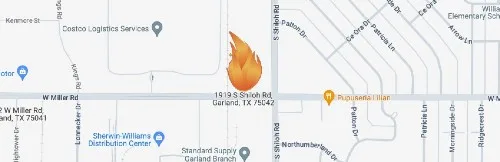
- Garland
- Houston (by appointment only)
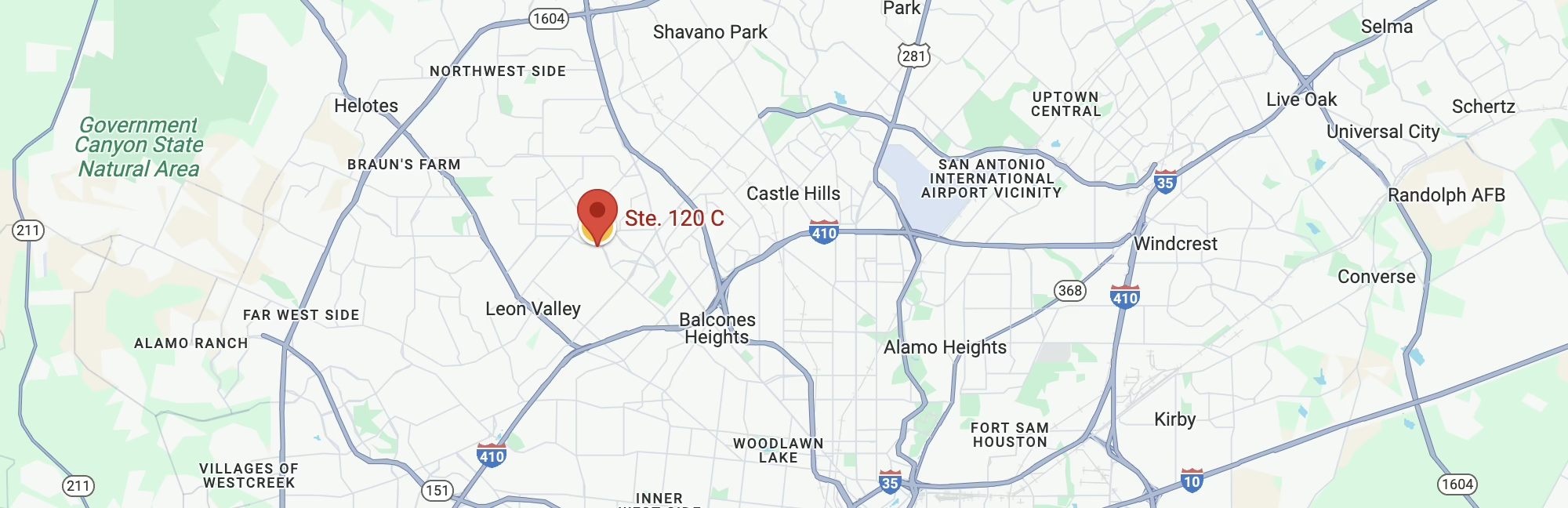
- San Antonio (by appointment only)
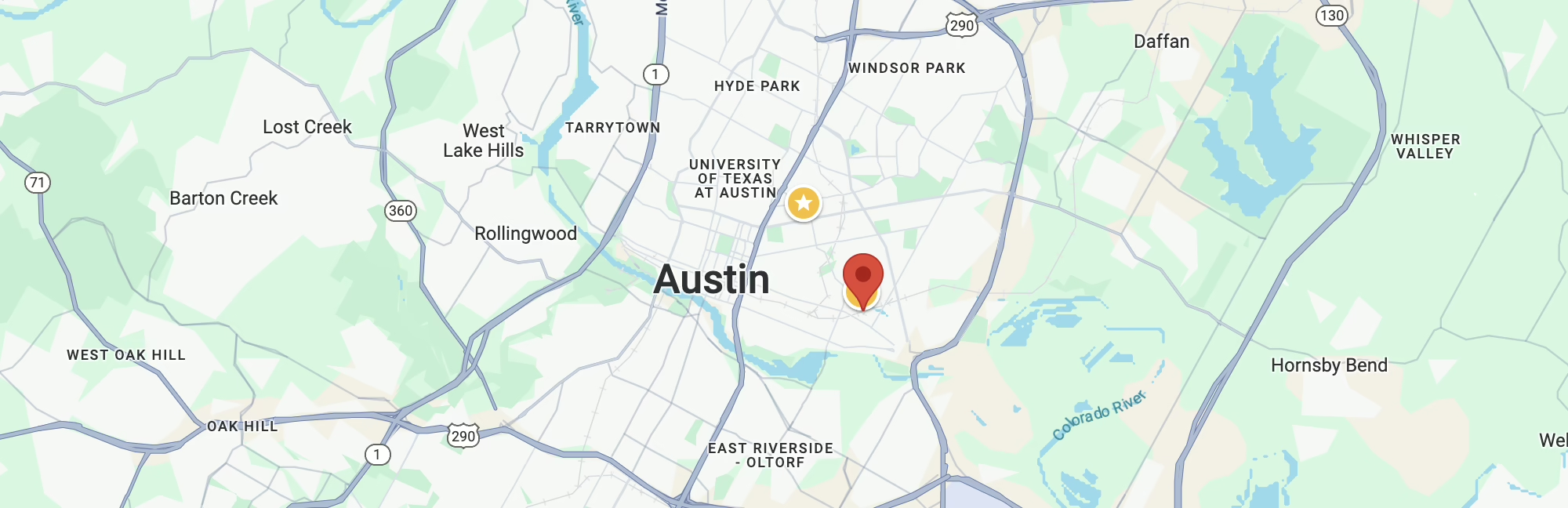
- Austin (by appointment only)
Revision History:
- Jan 20, 2026 at 2:55 pm by RTRLAW
- Jan 20, 2026 at 2:55 pm by RTRLAW
- Jan 20, 2026 at 2:30 pm by RTRLAW (displayed above)
- Jan 16, 2026 at 4:29 pm by RTRLAW
- Jan 16, 2026 at 4:29 pm by RTRLAW