

 CALL US NOW
 TEXT US NOW

Are Retail and Grocery Stores Liable for Customer Injuries?
Retail stores and supermarkets are some of the most common places where slip and fall or trip and fall accidents occur. With large crowds, constant foot traffic, and a steady flow of merchandise and perishable products, hazards can appear quickly; and if store employees fail to address them, serious injuries can follow.
When a customer is hurt because a store failed to maintain a safe environment, the business may be legally responsible. Grocery stores, big-box retailers, clothing stores, home improvement stores, and pharmacies all have a duty to keep shoppers safe.
If you’ve been injured while shopping, RTRLAW’s premises liability attorneys can help you understand your rights and pursue full compensation for your injuries.
When Are Retail and Grocery Stores Responsible for Customer Injuries?
Retail stores and grocery markets are required to keep their premises reasonably safe for customers from dangerous conditions that could injure business invitees who are frequenting their stores. This includes inspecting aisles, cleaning spills, marking hazards, stocking shelves safely, repairing broken flooring, and ensuring proper lighting.
A store may be responsible if:
- They knew about a dangerous condition and did nothing, or
- They should have known about the hazard through reasonable inspections
This is known as premises liability, and it applies to nearly every type of retail business. To recover compensation, the injured customer must generally prove the store’s negligence contributed to the incident; this is where RTRLAW can step in and help.
Lubi Tattoo
I had an excellent experience with RTRLAW. From the moment I reached out, their team was professional, attentive, and knowledgeable. They guided me through the legal process with clarity and made sure I understood each step. I felt supported and confident in their expertise, which ultimately led to a successful outcome. I highly recommend them to anyone in need of legal assistance!
How Much Compensation Do You Get for Falling in a Supermarket?
The amount of compensation varies depending on the severity of the injury, medical treatment needed, what percentage of fault the plaintiff carries, and how the accident impacts your daily life. In many cases, supermarket injury settlements range from tens of thousands to hundreds of thousands of dollars. The amount can increase when the injuries involve broken bones, head trauma, surgery, or long-term mobility problems.
Compensation may include:
- Emergency room bills
- Ongoing medical treatment and physical therapy
- Lost wages and reduced earning capacity
- Pain and suffering
- Permanent disability or mobility limitations
- Loss of enjoyment of life
- Future medical costs and long-term care needs
Supermarkets often have corporate insurance teams ready to fight claims, making it important for injured shoppers to have legal representation early in the process. RTRLAW’s experienced slip and fall attorneys know how to counter these strategies and work tirelessly to secure the full compensation you deserve.
What Are Some Dangerous Conditions That Result in the Most Common Retail and Grocery Store Accidents?
Retail and grocery stores must keep their premises safe, but hazards can develop quickly in high-traffic environments. From spills in the produce aisle to falling merchandise or poorly maintained parking lots, these dangers put unsuspecting customers at risk every single day. Understanding the most common causes of store-related injuries helps highlight why these accidents occur, and why they are often preventable.
Store-related injuries, in Florida and Texas, happen more often than most people expect. The most common causes include:
Slip and Fall Accidents
- Spilled liquids in grocery aisles
- Recently mopped floors without warning signs
- Leaking freezers or refrigeration units
- Produce, grapes, ice cubes, or debris left on the floor
Trip and Fall Accidents
- Uneven flooring or loose tiles
- Damaged carpeting or mats that curl at the edges
- Stock boxes or merchandise blocking walkways
- Poor lighting in aisles or parking lots
Falling Merchandise
- Over-stocked shelves
- Improperly secured products
- Heavy items placed too high
Shopping Cart or Equipment Incidents
- Broken or unstable carts
- Pallet jacks or stocking equipment left unattended
Parking Lot Hazards
- Potholes
- Poor lighting
- Lack of security or hazardous traffic patterns
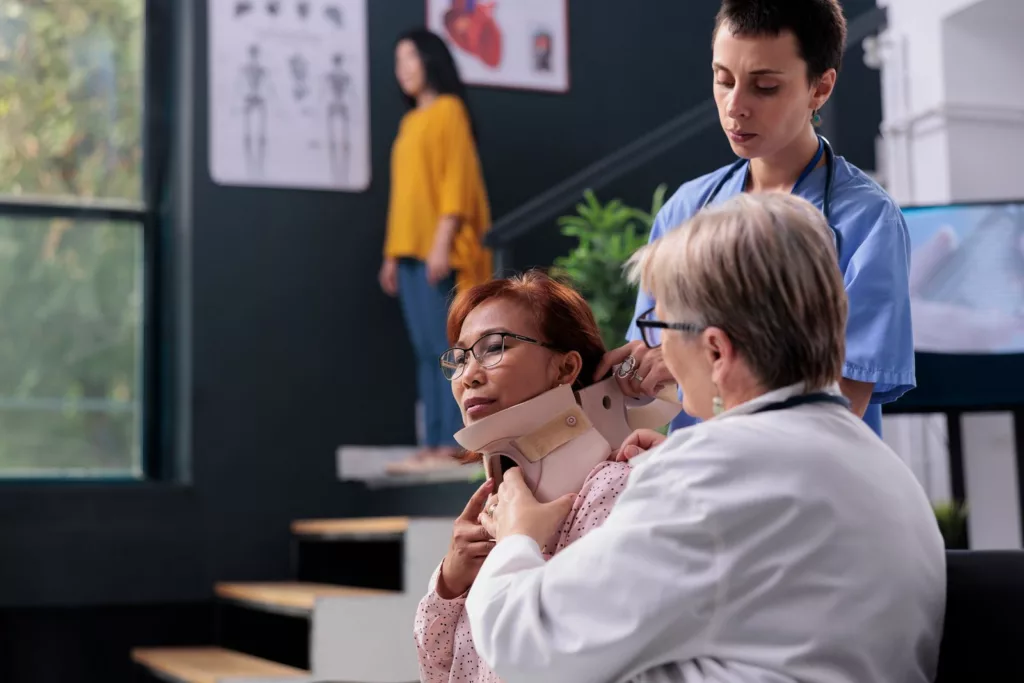
These types of accidents can cause fractures, concussions, back injuries, soft-tissue damage, and long-term pain. All of these injuries may entitle you to financial compensation. RTRLAW’s premises liability team investigates how the dangerous condition occurred, identifies every responsible party, and fights for the compensation injured customers deserve.
What if it’s an Employee That Gets Injured in a Store?
Not all accidents involve customers. Retail and grocery store employees are also frequently injured due to the fast-paced, high-risk environments they work in. Stocking shelves, operating equipment, handling merchandise, and dealing with constant foot traffic can lead to serious injuries that require medical care and time away from work. When this happens, the rules for compensation are different from customer claims because employees are covered under workers’ compensation laws.
Retail employees may be injured by:
- Heavy lifting or repetitive movement strains
- Slips on wet floors while restocking
- Falling merchandise during unloading
- Forklift, pallet jack, or equipment malfunctions
- Cuts, burns, or back injuries from daily duties
In Florida and Texas, employees are generally required to pursue workers’ compensation benefits, which may include medical treatment, partial lost wages, and disability benefits. However, some situations allow an employee to go beyond workers’ comp and pursue a separate injury claim; such as accidents involving third-party contractors, defective equipment, or employers who fail to carry required insurance.
Workers’ compensation and personal injury laws can overlap in complex ways, so injured employees should never navigate the process alone. RTRLAW helps retail workers understand their rights, file claims properly, and pursue additional compensation when the law allows it.
What Should You Do After Being Injured in a Store?
Evidence can disappear quickly, employees may clean the hazard, and corporate insurers often try to control the narrative early. Knowing what to do, and what not to do, helps protect your rights and preserves the proof needed to pursue compensation.
If you’re hurt in a retail or grocery store, taking the right steps, immediately, can strengthen your case early on:
- Report the incident to a manager immediately
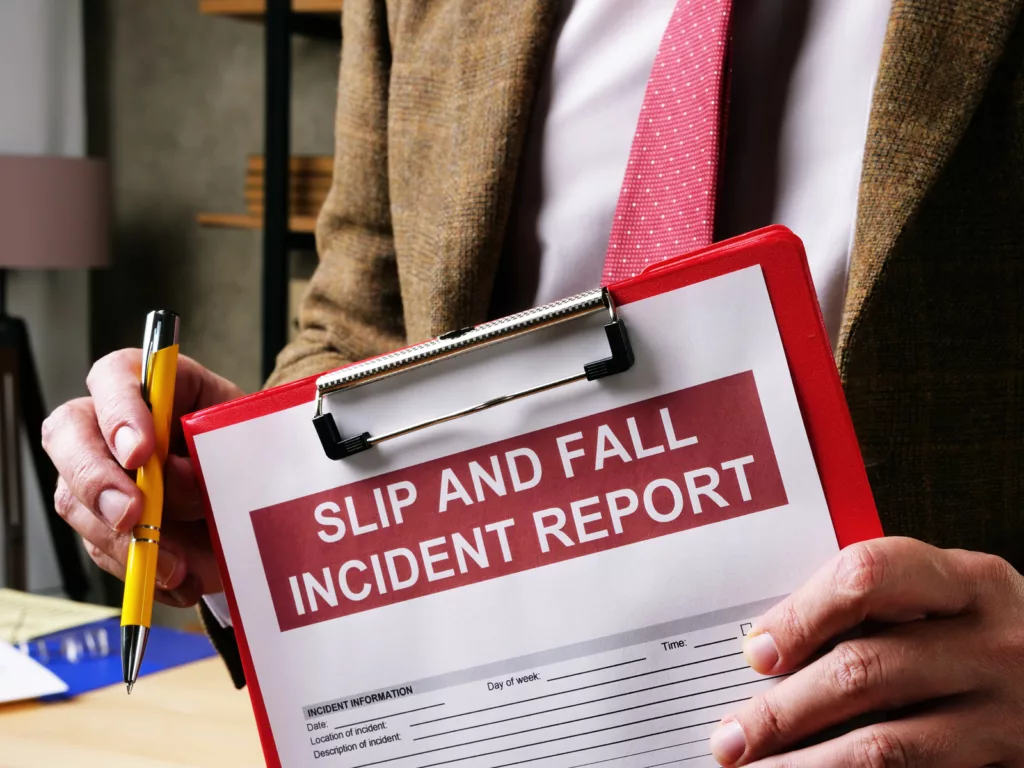
- Request an incident report and keep a copy. If they refuse to give you a copy, try to take a picture of it.
- Take photos of the hazard, injuries, and surroundings
- Get witness names and contact information
- Seek medical treatment right away
- Avoid giving recorded statements to the store or insurer
- Contact an attorney before discussing settlement offers
Retail chains often try to settle quickly for far less than your case is worth. This is a common tactic they often use before you know the full extent of your injuries. RTRLAW steps in to protect injured customers from aggressive insurance tactics and ensures your claim is positioned for the strongest possible recovery.
Protect Your Rights After a Retail or Grocery Store Accident
Stores owe customers a duty of care, and when they fail to maintain safe premises, the consequences can be life-changing. Whether you slipped on a wet floor at a supermarket, tripped in a retail aisle, or were struck by falling merchandise, you may be entitled to significant compensation.
RTRLAW investigates what happened, preserves video footage, gathers evidence, and negotiates aggressively with corporate insurance providers. Our team is committed to holding negligent businesses accountable and helping you get the recovery you deserve.
If you were hurt while shopping, call RTRLAW at 1-833-HIRE-RTR (1-833-447-3787) for a free, confidential consultation. You pay nothing unless we win your case.
Revision History:
- Jan 13, 2026 at 6:34 am by Nicholas Thompson (displayed above)
- Jan 2, 2026 at 2:49 pm by RTRLAW
- Dec 30, 2025 at 4:51 pm by RTRLAW
- Dec 30, 2025 at 4:41 pm by RTRLAW