

 CALL US NOW
 TEXT US NOW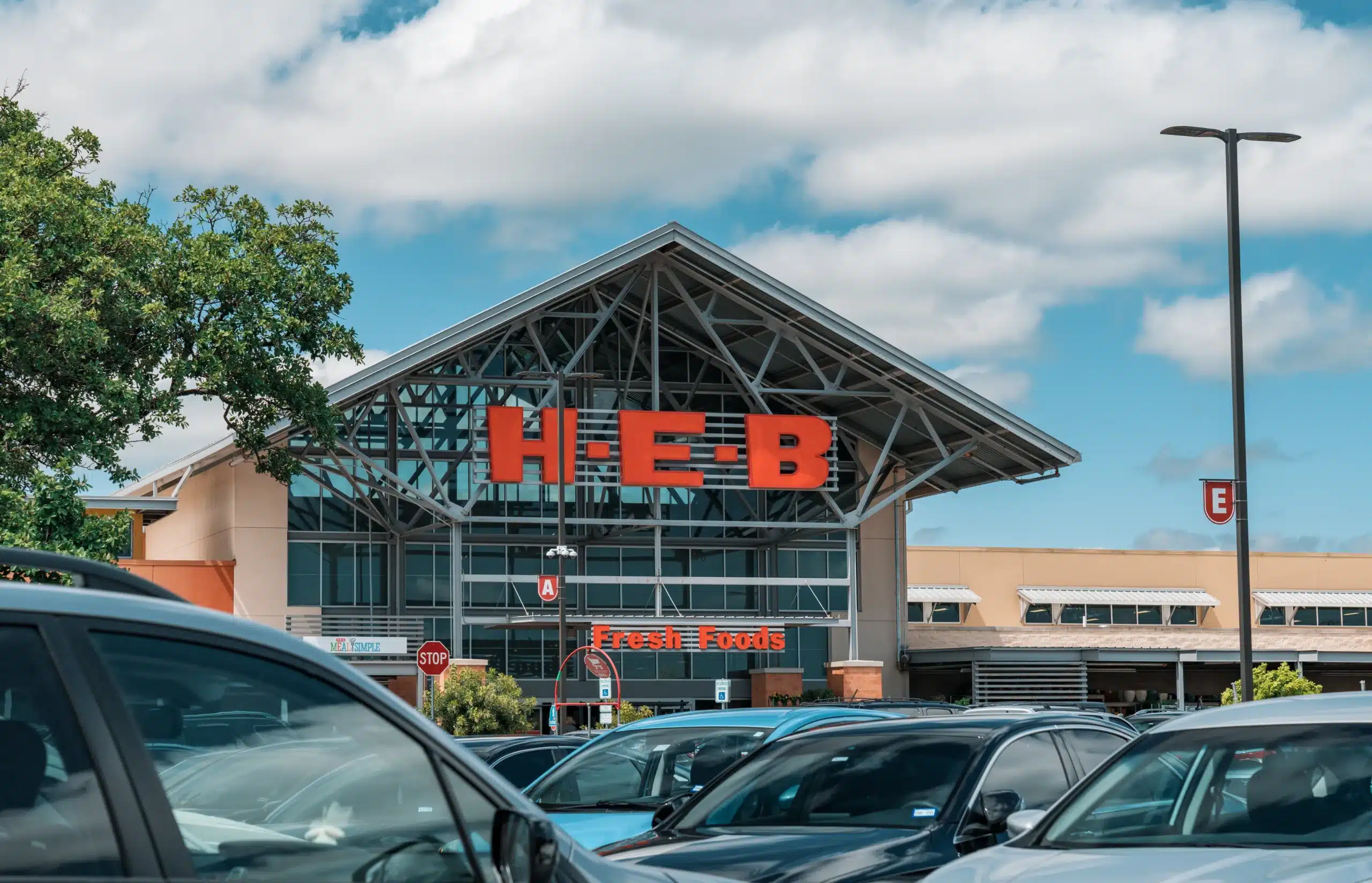

How to Sue Grocery Stores Like H-E-B For Personal Injury?
To sue H-E-B, or other grocery stores throughout Texas, for personal injury, you must show that the store’s negligence caused your accident. You must show that the grocery store knew or should have known about a dangerous condition and failed to fix it. Common cases include slip-and-falls, falling merchandise, unsafe parking lots, and contaminated products.
The process typically involves reporting the incident, collecting evidence, seeking medical treatment, and filing a claim with the grocery store’s insurer before proceeding with a lawsuit if necessary. If you were injured, you may be entitled to compensation for medical bills, lost wages, pain and suffering, disability, or long-term recovery needs.
Important Points to Remember
- Grocery Stores like H-E-B can be liable if it failed to correct or warn about a dangerous condition
- Evidence such as photos, witness statements, and surveillance footage is essential
- Texas premises liability laws require proof that a grocery store had actual or constructive notice of the hazard
- Injuries in stores, parking lots, or from falling merchandise may qualify for compensation
- An experienced attorney can help preserve evidence and negotiate with the grocery store’s insurer
Lydiana Santiago
RTRLAW’s team is friendly, supportive, and knowledgeable. I highly recommend RTRLAW for anyone needing legal assistance in Florida. Special thanks to Natasha Acevedo for her outstanding work!
What is The Grocery Stores’s Responsibility for Customer Safety?
Like all Texas grocery marts and big box stores, H-E-B has a legal duty to keep its stores reasonably safe for customers. When that duty is ignored or incomplete, preventable accidents can cause serious and sometimes life-changing injuries.
Premises liability laws exist to protect shoppers from unsafe conditions that the store either knew about or should have addressed. Understanding this duty is the foundation of any personal injury claim against H-E-B, or any other grocery store chain in Texas.
Common hazardous conditions linked to grocery store injuries include:
- Spilled liquids near produce, dairy, or drink aisles
- Wet floors from leaking refrigeration units
- Overloaded or unstable shelves causing falling merchandise
- Poor lighting in walkways or parking lots
- Uneven flooring, loose tiles, or tripping hazards
- Unsafe store equipment such as carts or pallet jacks
When a grocery store fails to maintain safe conditions or adequately inspect its store, it may be held responsible for resulting injuries. Knowing how these hazards occur helps customers and attorneys identify the root cause of the accident.
How Do You Report an Injury at a Grocery Store?
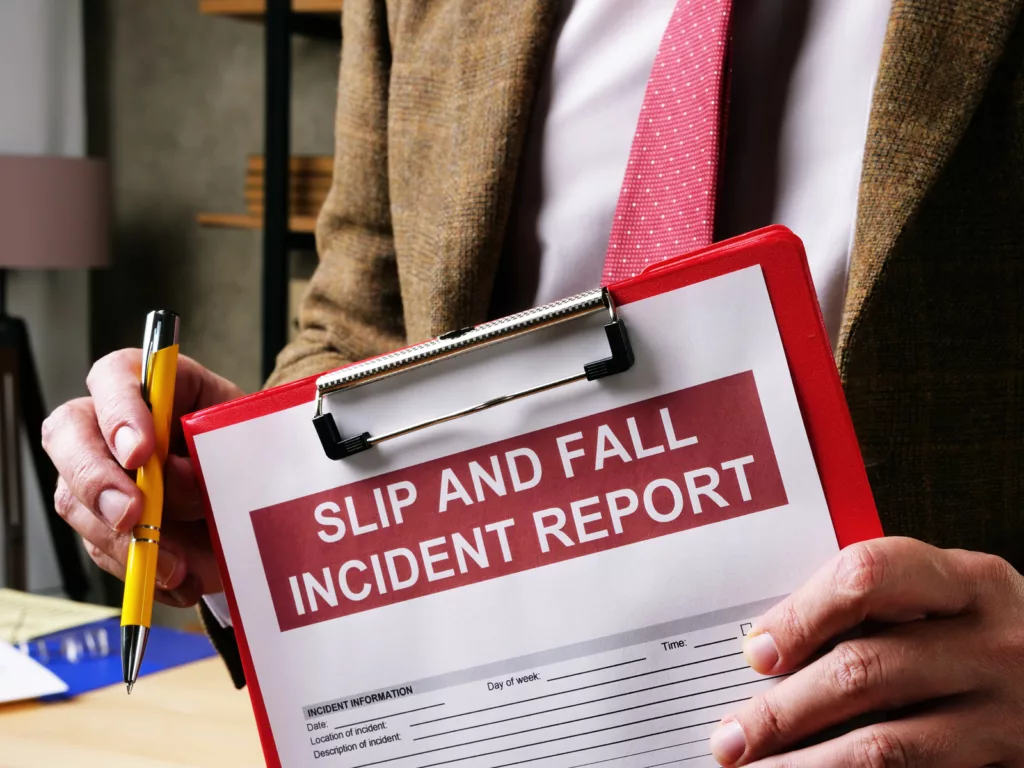
Reporting the incident is the first major step in protecting your claim. Typically, grocery store’s will not take responsibility unless the injury is documented and properly submitted to store management.
A timely report also increases the likelihood that crucial evidence, such as surveillance footage or employee statements, will be preserved.
Steps to report your injury:
- Notify the nearest employee and request a manager
- Ask for an incident report and verify the information (understand that in most cases, they will not provide a copy of the incident report unless you authored a part of it)
- Take photos and videos of the hazard and surrounding area
- Identify witnesses and collect contact information
- Request a copy or confirmation number of the incident report
Accurate reporting creates an official record of what happened and prevents the store from later denying the incident. This documentation becomes a vital part of building your case.
What Evidence Helps You Sue a Grocery Store If You’ve Been Injured in One of Their Stores?
Texas law places the burden of proof on the injured customer, making evidence crucial in personal injury claims against H-E-B, or other grocery stores across Texas. Without strong documentation, the store may argue that it had no knowledge of the hazard or that you were responsible for your own fall.
Collecting evidence immediately increases your odds of proving negligence and recovery of damages.
Helpful evidence includes:
- Photos of spills, debris, or dangerous conditions
- Surveillance footage from store cameras
- Employee cleaning logs or inspection records
- Witness statements
- Medical records linking injuries to the incident
- Weather conditions (for parking lot injuries)
- Receipts proving you were on the premises
The more evidence you have, the stronger your claim becomes and the harder it is for the grocery store to deny responsibility. Quick action preserves key details that otherwise may be lost or overwritten.
What Are the Most Common Types of Personal Injury Claims Against Grocery Stores?
Accidents inside a grocery store can happen in many ways, and understanding which types of injuries are most common helps determine how your claim will be evaluated. Each accident scenario presents different challenges for proving fault.
Knowing what type of claim you have helps narrow down which evidence matters most.
Common claims include:
- Slip-and-falls from spills or leaks
- Trip-and-falls due to uneven flooring or mats
- Falling merchandise accidents
- Parking lot injuries, such as potholes or poor lighting
- Injuries caused by employee negligence (e.g., pallet jacks, stocking errors)
- Contaminated food or foreign objects in prepared items
Identifying the type of accident makes it easier to determine whether the grocery store failed to maintain safe conditions. These distinctions also guide how attorneys approach evidence collection and liability arguments.
How Much Can You Sue a Gocery Store Like H-E-B For?
There is no standard payout for personal injury claims against a grocery store, and the value of your case depends heavily on the injuries you suffered and the store’s level of negligence. Settlement amounts vary widely depending on the extent of your damages.
Understanding what compensation is available helps you evaluate whether the grocery store’s initial offer is fair.
You may recover compensation for:
- Medical bills and ongoing treatment
- Lost wages or reduced earning capacity
- Pain and suffering
- Disability or impairment
- Emotional distress
- Future medical needs
- Assistive devices or home modifications
Evaluating the true value of your injuries ensures you seek a settlement that reflects your long-term needs. A strong, well-documented case often results in a significantly higher payout.
Some Real-World Scenarios of Injuries at Grocery Stores Over the Years
Actual examples help illustrate how negligence at a grocery store can lead to serious injuries. These scenarios also show how courts and insurers may view different types of store hazards.
Seeing these patterns can help victims better understand their rights.
Slip-and-Fall on Leaking Freezer
- A freezer with a known leak creates a puddle that employees repeatedly walked past.
- Why the grocery store may be liable: constructive knowledge due to repeated exposure.
Falling Product from Overstocked Shelf
- A heavy item falls and injures a shopper.
- Why the grocery store may be liable: improper stacking or failure to secure inventory.
Parking Lot Trip-and-Fall
- A customer trips in a deep pothole in poor lighting at night.
- Why the grocery store may be liable: inadequate lighting and failure to repair hazards.
These examples demonstrate how preventable hazards can create dangerous conditions for shoppers. When the grocery store overlooks basic safety protocols, victims may have a strong claim for compensation.
What Laws Have an Impact on Personal Injury Claims Against Grocery Stores Like H-E-B in Texas?
Because H-E-B operates primarily in Texas, most claims fall under Texas premises liability and negligence laws. These statutes outline what shoppers must prove to hold the store accountable.
Understanding these key laws, is essential for building a successful case, which include:
- Texas Premises Liability Standard: Requires proving H-E-B, or any grocery store, knew or should have known of a dangerous condition.
- Texas Civil Practice & Remedies Code § 16.003: Gives injury victims two years to file a lawsuit.
- Comparative Negligence Laws: Your compensation may be reduced if you are found partially at fault.
These laws determine how claims must be presented and what evidence is required. Knowing them early helps protect your rights and prevent missed deadlines.
How to Sue H-E-B or Other Grocery Store Chains: A Step-By-Step Process
Suing a large corporation like H-E-B requires careful planning, documentation, and legal strategy. Following a clear process helps ensure your case is handled correctly from the beginning.
This step-by-step overview gives you a roadmap for what to expect; see below:
- Report the injury to the grocery store management
- Gather photos, videos, and witness information
- Seek medical evaluation and treatment
- Document all expenses and symptoms
- Contact a personal injury attorney
- File a claim with the grocery store’s insurer
- Enter settlement negotiations
- File a lawsuit if the grocery store refuses a fair offer
By following these steps and consulting an attorney early, you significantly increase your chances of success. A well-prepared case forces the grocery store to take your claim seriously.
When Should You Call an Attorney if You Were Injured at a Grocery Store?
The grocery store’s legal and insurance teams are trained to minimize payouts and dispute liability. Injury victims often face an uphill battle without professional representation.
An attorney can help level the playing field from day one by helping you to:
- Preserve surveillance footage
- Collect witness statements and inspection logs
- Handle communication with insurers
- Prove liability under Texas law
- Pursue maximum compensation
If you were injured at H-E-B, or any grocery store throughout Texas, you don’t need to navigate the process alone. RTRLAW is ready to support you, build your case, and fight for the compensation you deserve; contact our team today for a free consultation.
Revision History:
- Jan 13, 2026 at 6:27 am by Nicholas Thompson (displayed above)
- Jan 2, 2026 at 2:46 pm by RTRLAW
- Dec 31, 2025 at 2:20 pm by RTRLAW
- Dec 31, 2025 at 2:06 pm by RTRLAW
- Dec 30, 2025 at 9:18 pm by RTRLAW