




What Happens If Your Waymo Gets in an Accident?
As autonomous vehicles become more common on city streets throughout Florida and Texas, many riders are asking what happens if a driverless car is involved in a crash? If your Waymo gets in an accident, the immediate steps look similar to any other collision; prioritize safety, call 911, seek medical attention, document the scene, and ensure a police report is filed.
What makes a Waymo accident different is not the emergency response, but the layers of liability and evidence that may follow. Trip records, onboard cameras, and system data can all become important, particularly if fault is disputed or the at-fault driver cannot be identified.
Important Points to Remember
- Your first steps are the same as any crash: safety, 911, medical care, and a police report
- Who pays can depend on who caused the crash and which insurance coverage applies
- Trip records and video evidence matter more in robotaxi claims than most people expect
- Waymo’s service footprint differs by city (Austin rides are booked through Uber; Miami rides are booked through Waymo)
- Waymo has announced operations in additional Texas cities ahead of opening to riders in 2026
Jomar Nieves
RTR Law really helped my family with our issue. They were very responsive and attentive to our family’s needs and worries.
What “A Waymo Accident” Usually Means
A “Waymo accident” can range from a minor fender-bender to a serious injury collision involving a fully autonomous robotaxi. Even though the vehicle is driverless, the crash is still investigated like any other traffic incident; based on roadway rules, right-of-way, and evidence.
The key difference is that a Waymo crash often produces more potential evidence sources than a standard car crash. The earlier you preserve what you can (photos, witness info, trip details), the easier it is to prevent the claim from turning into a drawn-out fault dispute.
What to Do Immediately After the Crash
Your safety and health come first, and the actions you take in the first minutes can affect both medical outcomes and the strength of your claim. Even if you feel “okay,” adrenaline can mask symptoms, and early documentation can disappear quickly.
Here’s what to do:
- Call 911 and request police and medical assistance
- Accept medical evaluation and follow up the same day if you have pain, dizziness, numbness, or headaches
- Take photos/video of vehicle positions, damage, road conditions, signage, and any debris
- Get contact information for witnesses and ask what they saw (direction of travel, light color, lane changes)
- Save your trip proof (screenshots, receipt, timestamps, pickup/drop off, route details)
These steps protect you medically and legally because they create a reliable timeline and preserve perishable evidence. When a claim gets contested, the strongest cases are usually the ones with clean early documentation and consistent medical records.
Who May Be Liable in a Waymo Accident
Liability depends on how the crash happened, not just the fact that a robotaxi was involved. In many real-world scenarios, another human driver causes the collision through speeding, distraction, unsafe lane changes, or failing to yield.
Potentially responsible parties may include:
- A human driver in another vehicle
- A vehicle owner/employer (if the at-fault driver was working)
- A third party (construction contractor, property owner, or entity that created a roadway hazard)
- Waymo or another responsible entity if evidence shows an unreasonable safety failure contributed
The “right” defendant is often determined by evidence; camera footage, eyewitness accounts, police findings, and what coverage applies. Because multiple parties may point fingers in autonomous-related cases, it’s important to identify every possible source of fault and insurance early.
How Insurance May Work When Your Waymo Is in a Crash
Insurance questions in robotaxi crashes can feel confusing because riders often assume “the company automatically pays.” In reality, coverage typically depends on fault, the vehicles involved, and whether another driver is identifiable and insured.
Practically, your claim may involve one or more of the following:
- The at-fault driver’s liability insurance (if another driver caused the crash)
- Uninsured/underinsured coverage pathways (if the at-fault driver is unknown or lacks coverage)
- Commercial coverage considerations tied to robotaxi operations and the ride record
Even when coverage exists, insurers often dispute injury severity, causation, and the value of non-economic damages. The more organized you are with medical care, documentation, and trip records, the harder it is for insurers to delay or underpay the claim.
Evidence That Matters More in Robotaxi Claims
Waymo-related crashes often involve additional evidence layers that aren’t typical in everyday collisions. That doesn’t mean you personally need to “get the vehicle data,” but it does mean you should preserve what you control right away.
Helpful evidence typically includes:
- Police report number and responding agency details
- Scene photos/video (wide shots plus close-ups)
- Witness names and contact information
- Trip documentation (app screenshots, receipt, time/location stamps)
- Medical records linking symptoms to the crash timeline
- Nearby surveillance possibilities (business cameras, intersection cameras, parking structure cameras)
The goal is to prevent the case from becoming a credibility contest. When evidence is preserved early, the legal analysis becomes clearer, negotiations move faster, and your leverage improves.
Waymo’s Current Operating Footprint in Florida and Texas
Where Waymo operates, and how riders access the service, directly affects what records exist after a crash and how quickly a claim can be verified. Understanding the differences between Florida and Texas operations helps injured passengers preserve the right documentation from the start:
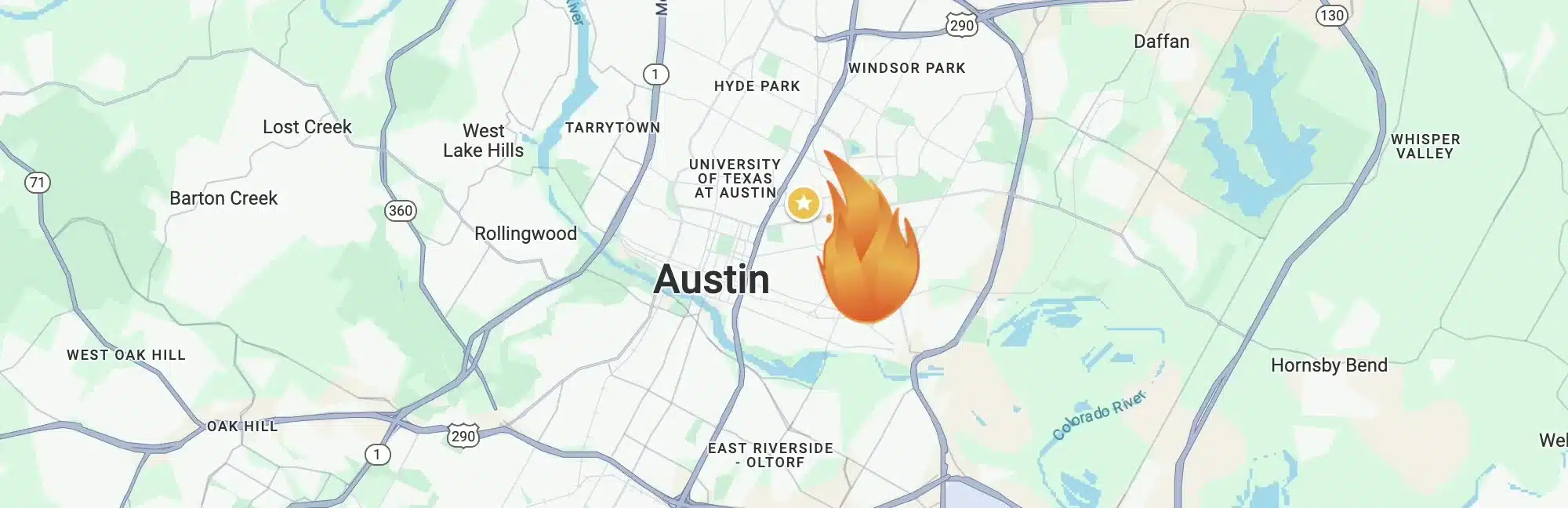
Austin, Texas
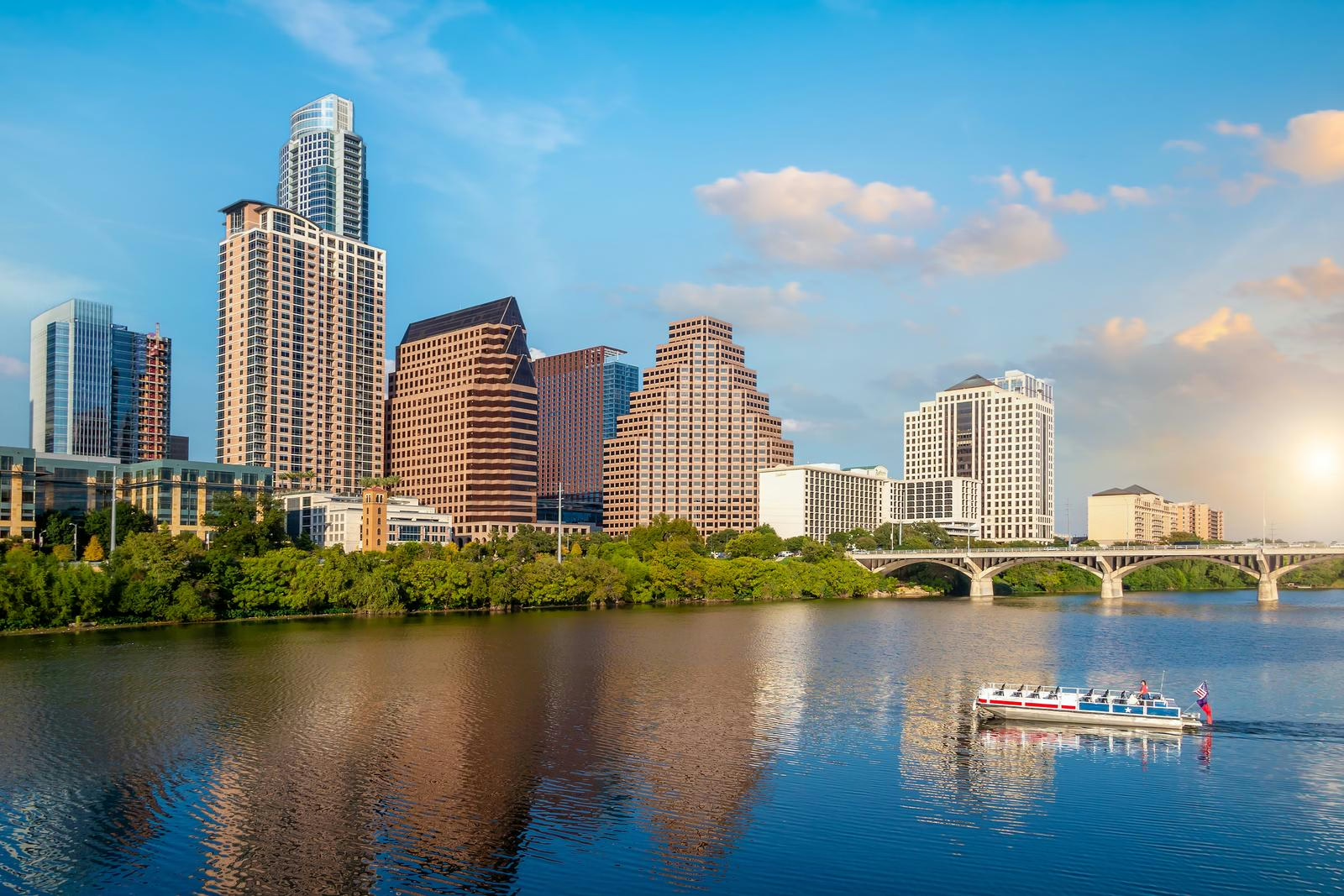
Waymo launched public robotaxi service in Austin on March 4, 2025, with rides booked through the Uber app rather than a standalone Waymo platform. The initial operating area covered approximately 37 square miles, and Waymo later expanded service to about 90 square miles with more than 100 vehicles reportedly active on Uber’s network.
Because Austin rides are accessed through Uber, preserving Uber trip receipts, timestamps, and route details is especially important after an accident. These records often become key evidence when insurers question whether you were a passenger, where the crash occurred, or which coverage applies.
Miami, Florida
Waymo opened its driverless service to the public in Miami on January 22, 2026, using the Waymo app instead of a rideshare partner. The initial service area spanned roughly 60 square miles, with Waymo reporting close to 10,000 residents signed up during the early rollout phase.
Waymo has also announced plans to expand service toward Miami International Airport, increasing both ride volume and roadway interactions. In Miami crashes, preserving Waymo app trip confirmations, ride history, and timestamps can be critical when liability or coverage questions arise.
The practical takeaway is straightforward: Austin riders should save Uber trip records, while Miami riders should save Waymo app records. These digital details often become central proof of occupancy, timing, and route when accident claims are reviewed.
Waymo’s Texas Expansion Plans in 2026 And What They Mean for Accident Risk
Waymo’s expansion beyond Austin marks a major shift in how frequently autonomous vehicles will interact with everyday traffic across Texas. As robotaxi availability grows, so does the likelihood of accidents involving mixed human and autonomous driving environments.
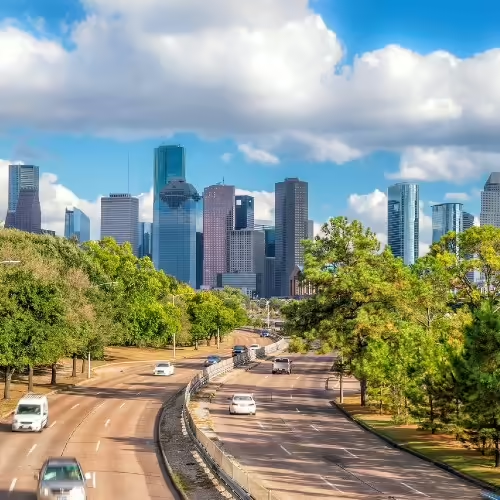
Waymo has publicly identified Dallas, Houston, and San Antonio as Texas cities slated for autonomous operations, with rider access expected to begin in 2026. Expansion phases can increase accident risk as new service areas launch, traffic patterns adjust, and both drivers and first responders adapt to the presence of autonomous vehicles.
For Texas residents, the bigger picture is that Waymo robotaxis will become more common across major metro areas. Knowing how these accidents are handled, and what evidence matters, can help you respond correctly if you’re ever involved in one as a passenger, pedestrian, or driver.
Waymo Crash Statistics and What They Mean for Your Case
People often ask whether Waymo vehicles “crash less,” and Waymo has published safety metrics and claims-based research comparing incidents to human-driving benchmarks. These figures can be useful context, but they do not decide who is at fault in your specific crash.
For example, Waymo has cited a Swiss Re claims analysis stating that across 25.3 million miles, the Waymo Driver was involved in nine property damage claims and two bodily injury claims, with reported reductions versus human baselines.
Waymo also publishes a “Safety Impact” page with incident-rate-style comparisons (incidents per million miles) across categories and cities.
Even if a system performs well on average, your case still turns on your injuries, the evidence of fault, and the available insurance. A strong claim is built with your crash-specific proof; not general safety statistics.
Real-World Examples of Waymo Accident Scenarios
Waymo accidents can happen in a variety of real-world situations, many of which look similar to traditional rideshare crashes but involve additional layers of evidence and liability analysis. These examples show how different fact patterns can affect fault, insurance coverage, and the type of evidence that becomes most important.
Waymo Passenger Injured When Another Driver Runs a Red Light
A Waymo robotaxi is traveling through an intersection when a human-driven vehicle runs a red light and crashes into the Waymo.
- Why liability may apply: The at-fault driver violated traffic laws
- Key evidence: Traffic camera footage, police report, Waymo sensor data, and Uber/Waymo trip records
- Likely claim path: Claim against the at-fault driver’s insurance; UM/UIM if coverage is insufficient
This type of crash often looks straightforward, but insurers may still dispute injury severity or attempt to delay payment.
Pedestrian Struck While Waymo Brakes Suddenly
A pedestrian is hit by another vehicle after a Waymo brakes abruptly near a crosswalk, causing a chain-reaction collision.
- Why liability may be disputed: Multiple parties may argue fault
- Key evidence: Vehicle positioning, witness statements, camera footage, and timing data
- Why legal help matters: Determining whether the human driver or roadway conditions caused the injury
These cases show how autonomous vehicle incidents can involve layered causation, not just one negligent act.
Waymo Passenger Injured in a Rear-End Crash
A distracted driver rear-ends a stopped Waymo at a traffic light, injuring a passenger.
- Why liability is clear: Rear-end crashes usually indicate following too closely
- Key evidence: Police report, medical records, vehicle damage photos
- Coverage issues: Passenger may rely on the at-fault driver’s insurance or UM/UIM coverage
Even “simple” crashes can become complicated if insurers dispute medical causation or downplay injuries.
These scenarios highlight why Waymo accident claims often require more documentation than traditional crashes. Understanding how liability plays out in similar cases can help injured victims protect their rights early.
How RTRLAW Helps After a Waymo Accident
Waymo crashes can start as “routine” claims and then become complicated when insurers dispute fault, injury causation, or what coverage applies. The sooner the evidence and medical story are organized, the easier it is to prevent delay tactics and low offers.
RTRLAW helps by preserving key records, investigating liability, identifying all potential insurance sources, and pushing for full compensation based on the real impact of your injuries. If you were hurt in a Waymo-related crash, whether as a passenger, pedestrian, cyclist, or another driver, our team can explain your options and help you move forward with a clear plan.
Revision History:
- Jul 10, 2026 at 12:54 pm by Nicholas Thompson
- Jul 10, 2026 at 12:54 pm by RTRLAW
- Jun 4, 2026 at 11:27 pm by victor (displayed above)