



Texas Drunk Driving (DWI) Accident Attorneys Fighting for Justice and Full Compensation Throughout The Lone Star State
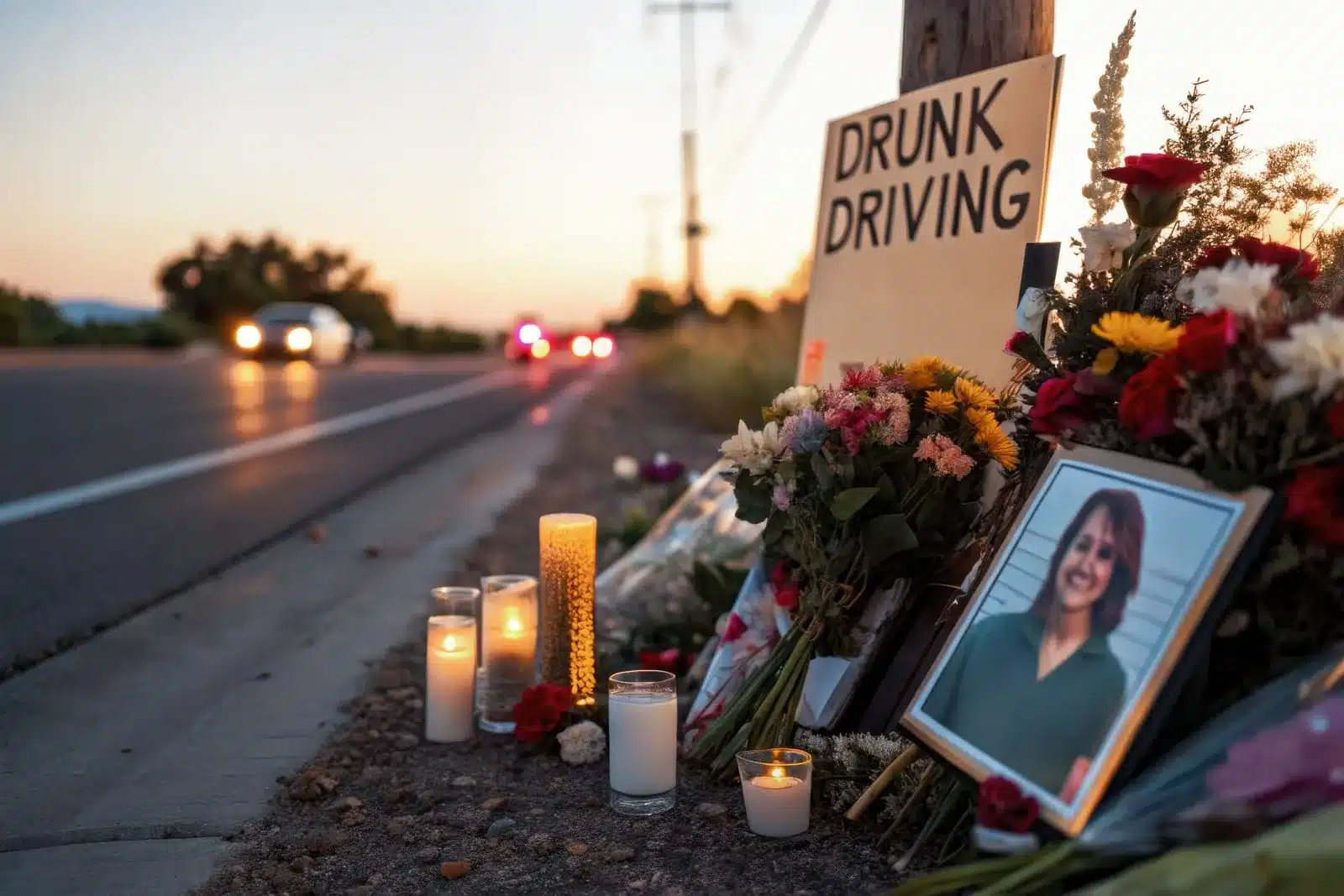
A drunk driver’s choice to get behind the wheel can shatter another family’s life in seconds. Texas sees thousands of alcohol-related crashes every year, on Houston freeways, Austin highways, San Antonio streets, and rural roads across the state, and the victims are left facing hospital bills, missed paychecks, and injuries that may never fully heal, all because someone else chose to drive impaired.
Unlike an ordinary fender bender, a drunk driving crash often comes with a parallel criminal case, a documented blood alcohol reading, and the possibility of compensation beyond your basic medical bills and lost wages. Knowing how to use all of that to your advantage under Texas law is exactly what an experienced drunk driving accident attorney brings to your case.
RTRLAW’s Texas car accident attorneys have been providing caring, compassionate legal advice and skilled representation to accident victims since 1988. For more than three decades, we have helped tens of thousands of clients and secured hundreds of millions of dollars in settlements and verdicts for them, from our offices throughout Texas.
Our team has spent more than three decades holding impaired drivers, and the businesses that sometimes enable them, fully accountable, and we are ready to do the same for you.
What Injuries Can Happen in a Texas Drunk Driving Accident?
Impaired drivers react slower, misjudge distances, and often fail to brake at all before impact, which means drunk driving crashes tend to happen at higher speeds and with less avoidance than an ordinary accident. A driver who never sees the danger coming cannot swerve, slow down, or take any of the split-second actions that might otherwise reduce the severity of a collision. The injuries that follow are frequently severe, including:
- Traumatic brain injuries and skull fractures
- Spinal cord injuries and paralysis
- Broken bones and crush injuries
- Internal bleeding and organ damage
- Severe burns from post-collision fires
- Facial injuries and disfigurement
- Amputation
- Wrongful death
Many of these injuries require emergency surgery, extended hospital stays, and months or years of rehabilitation. Some victims are left with permanent disabilities that prevent them from returning to their previous job or way of life entirely, which is why a thorough claim accounts for future medical needs and lost earning capacity, not just the bills that have already arrived.
When a drunk driving crash proves fatal, surviving family members may have a separate Texas wrongful death claim in addition to any claim the estate may pursue. Whatever the extent of your injuries, if we choose to take your case, you will not pay anything upfront. RTRLAW works on contingency fees, which means you pay nothing unless we win your case and recover money for you.
What Should You Do After a Drunk Driving Accident in Texas?
Call 911 immediately and request medical assistance for anyone who is hurt. Officers responding to a suspected DWI crash will typically conduct a separate investigation into the other driver’s intoxication, including field sobriety testing and, when appropriate, a breath or blood test. That evidence may later become important in your civil claim. Make sure the responding officer knows you suspect the other driver was impaired, since that detail should be reflected in the official crash report.
If you are able, stay at the scene until police arrive, look for anyone who witnessed the crash, and get their contact information. Use your phone to photograph the vehicles, the roadway, visible injuries, skid marks debris, traffic signals, and any visible signs of the other driver’s condition, such as open containers, slurred speech noted by an officer, or obvious unsteadiness.
Seek medical evaluation right away even if you feel fine. Some injuries, including internal bleeding, concussions, and soft tissue injuries, may not show symptoms immediately.
Be careful when you speak with any insurance company, including your own. Adjusters may try to get a recorded statement early, while you are still in shock, hoping you will say something that can later be used to minimize your claim. Speaking with an experienced drunk driving accident attorney before giving a statement protects you from that tactic.
It also helps to request the crash report and, where available, the arresting officer’s probable cause materials and any breath or blood test. These documents form the backbone of a strong civil claim, and an attorney can pursue them on your behalf if the criminal case is still working its way through the system.
How Is Fault Determined in a Texas Drunk Driving Accident?
Texas is an at-fault, or tort, state. That means the driver who caused the crash, and that driver’s insurance, may be responsible for the resulting damages. Texas does not require drivers to carry no-fault medical coverage the way some states do.
Personal Injury Protection, or PIP, is included in Texas auto policies unless the named insured rejects it in writing. Uninsured and underinsured motorist coverage may also be available if your purchased it and did not reject it in wiring. Because these coverages depend on the actual policy documents and any written rejection forms, it is important to confirm what coverage you and the at-fault driver actually carry. Our guide on whether PIP coverage is required in Texas explains how this works in more detail.
Under Texas Penal Code Section 49.04, a driver commits the offense of Driving While Intoxicated by operating a vehicle in a public place while intoxicated. Texas Penal Code Section 49.01 defines intoxication to include either not having the normal use of mental or physical faculties because of alcohol, drugs, or another substance, or having an alcohol concentration of 0.08 or higher.
Texas courts recognize that an unexcused violation of a penal statute may support negligence per se when the statute was designed to protect the class of persons injured and to prevent the type of harm that occurred. In a drunk driving crash, proof of a DWI violation can therefore be powerful evidence in a civil case, but the injured person must still prove causation and damages.
That said, a DWI citation or arrest is not automatically the end of the analysis. The criminal case and your civil claim are separate proceedings with separate standards of proof. You are not required to wait for a conviction, or even for criminal charges to be filed, before pursuing your own claim for compensation.
Comparative responsibility can still apply. Under Texas Civil Practice and Remedies Code Section 33.001, a claimant found more than 50 percent responsible for their own injuries cannot recover damages. A claimant found 50 percent or less responsible may still recover, but the recovery is reduced by that percentage. Insurance companies sometimes try to shift blame onto the victim even in a drunk driving case, which is one more reason to have an attorney who can push back with evidence.
Can You Recover Exemplary Damages in a Texas DWI Accident Case?
Texas law allows injury victims to seek exemplary damages, sometimes called punitive damages, in addition to compensation for medical bills, lost wages, and pain and suffering, when the at-fault party’s conduct rises to a certain level.
Under Texas Civil Practice and Remedies Code Section 41.003, a claimant must prove by clear and convincing evidence that the harm resulted from fraud, malice, or gross negligence. Texas law defines gross negligence as an act or omission that involves an extreme degree of risk, of which the actor was actually aware, but pursued anyway with conscious indifference to the rights, safety or welfare of others.
Drunk driving can support an exemplary-damages claim when the evidence shows, by clear and convincing proof, that the driver acted with gross negligence. Facts such as a high blood alcohol reading, prior DWI history, driving despite obvious impairment, or other aggravating conduct may strengthen that claim.
These damages exist separately from compensatory damages and are meant to punish especially reckless conduct and deter others from making the same choice. Texas law also imposes statutory limits on exemplary damages in many cases, and whether a cap or exception applies depends on the facts. An attorney can evaluate whether exemplary damages are available and how Texas law may affect the amount recoverable in your case.
Can You Sue a Bar, Restaurant, or Store Under the Texas Dram Shop Act?
Often, yes, if the facts support it. Texas law provides a statutory dram shop cause of action in specific circumstances.
Under the Texas Dram Shop Act, Texas Alcoholic Beverage Code Section 2.02, a person or business that provides alcohol can be held liable if, at the time the alcohol was provided, it was apparent that the person being served was obviously intoxicated to the extent that they presented a clear danger to themselves and others, and that intoxication was a proximate cause of the resulting damages.
This obviously-intoxicated standard can apply to a patron when the signs of intoxication were apparent to the provider at the time of service. Proving this typically requires evidence such as receipts or point-of-sale records showing how much alcohol was served, staff and witness accounts of the driver’s condition, and sometimes surveillance footage from the establishment.
A dram shop claim is also subject to Texas proportionate-responsibility rules, meaning the alcohol provider’s share of liability may be apportioned along with the intoxicated driver and any other responsible parties. Evidence in these cases can disappear quickly because records may be discarded, video may be overwritten, and staff turnover is common. That is why a prompt investigation matters if a dram shop claim is a realistic possibility in your case.
What If the Drunk Driver Does Not Have Enough Insurance?
Texas requires drivers to carry liability insurance with minimums of $30,000 per person, for bodily injury to or death of one person in one collision, $60,000 for bodily injury to or death of two or more people in one collision, and $25,000 for property damage in one collision.
That coverage often falls far short of what a serious injury, spinal injury, traumatic brain injury, or wrongful death claim actually costs. A $60,000 per-accident limit may also have to stretch across everyone hurt when more than one person is injured in the same crash.
When that happens, your own uninsured or underinsured motorist coverage, if you carry it, may help fill the gap. Your own PIP coverage may also provide benefits regardless of fault if it is included in your policy and was not rejected in writing. It is also worth investigating whether a dram shop claim, an employer’s commercial policy if the driver was working, or the at-fault driver’s personal assets can provide additional sources of recovery.
A thorough drunk driving case looks at every one of these possibilities rather than stopping at the first insurance policy that responds to the claim.
Is a Lawyer Really Necessary for Your Texas Drunk Driving Accident Case?
No one is legally required to hire an attorney to pursue a car accident claim, but insurance companies do not want you to have one. They know that claimants without legal representation typically settle for less than their claim is actually worth, and they are prepared to use that to their advantage.
A drunk driving case adds another layer that many general negligence claims do not have: a parallel criminal case, possible exemplary damages, and sometimes a separate dram shop claim against a third party. Coordinating all of that while you are trying to recover from serious injuries is not something anyone should have to manage alone.
RTRLAW’s attorneys have spent decades negotiating with insurance companies on behalf of drunk driving victims. We know how these claims are valued, delayed, and disputed. We use the power of the law to compel evidence, including the at-fault driver’s BAC results and criminal case records, and to make sure nothing is hidden from you during the process. We also know how to evaluate whether a dram shop claim against a bar or vendor is realistic, and how to build the kind of documented, evidence-heavy case that supports a possible exemplary damages claim when the facts justify one.
RTRLAW Can Help With Your Texas Drunk Driving Accident Case
You should not have to spend the aftermath of a drunk driving crash fighting alone to rebuild your life. At RTRLAW, we fight to hold impaired drivers, and anyone else who contributed to the crash, fully accountable under Texas law.
We offer immediate consultations by phone, video, or in person at any of our Texas offices. If you cannot come to us, our attorneys and investigators can come to you, even if you are still in the hospital. Paperwork can be handled electronically by email or text, so you can focus on your recovery rather than logistics.
You can read more about what you may be entitled to after being hit by a drunk driver in our related guide.
If you or a loved one was hurt by a drunk driver in Texas, don’t wait. Contact RTRLAW today 24 hours a day, seven days a week, for a free, no obligation case review. We handle drunk driving accident claims on a No Win, No Fee basis, true to our commitment to Retain The Flame for every client we represent.