




What Should You Do if You Injure Yourself at a Gas Station or Convenience Store Like Wawa or 7-Eleven?
Gas stations and convenience stores are high-traffic environments where hazards can develop quickly. From slippery floors to poorly maintained parking lots, these locations present risks that can lead to serious injuries if not properly managed.
If you are injured at a gas station or convenience store, knowing what to do immediately afterward can make a significant difference in both your recovery and your ability to pursue a personal injury claim. Taking the correct steps early helps preserve evidence, establish liability, and protect your legal rights.
Key Takeaways
- Injuries at gas stations often involve premises liability
- Businesses must maintain safe conditions for customers
- Immediate documentation can strengthen your claim
- Medical records are critical to proving injury
- Liability depends on notice, maintenance, and negligence
Peggy Allen
Why Injuries Happen at Gas Stations and Convenience Stores
Gas stations and convenience stores experience constant foot and vehicle traffic throughout the day. This high activity level increases the likelihood that hazards will form and go unnoticed if staff are not actively maintaining the property.
Common risk factors include:
- Spilled gasoline or liquids near pumps
- Wet floors inside the store
- Uneven pavement or potholes
- Poor lighting in parking areas
- Cluttered aisles or merchandise displays
Because these hazards can develop quickly, businesses are expected to inspect and address them regularly. When they fail to do so, injuries can occur that may have been preventable.
These conditions often form the basis of premises liability claims when negligence is involved.
What to Do Immediately After an Injury
The moments after an injury are critical for both your health and your potential claim. Taking the right immediate actions helps ensure you receive proper medical care while also preserving important evidence.
You should:
- Seek medical attention right away
- Report the incident to a manager or employee
- Request an incident report
- Take photos or videos of the hazard and surrounding area
- Collect names and contact information of witnesses
- Keep the clothes and shoes you were wearing
Avoid downplaying your injuries or leaving the scene without reporting what happened. The more documentation you have, the stronger your claim may be later.
Acting quickly can prevent businesses or insurers from disputing what occurred.
Who May Be Liable for Your Injuries
Liability in these cases depends on whether the property owner or operator failed to maintain reasonably safe conditions. Gas stations and convenience stores have a legal duty to inspect their premises and address known hazards.
Potentially liable parties may include:
- The store owner or corporate operator
- Property management companies
- Maintenance contractors
- Third-party vendors responsible for equipment or displays
For the best chance at a successful claim, you generally must show that the business knew or should have known about the dangerous condition and failed to fix it or warn customers.
Liability often comes down to evidence of notice, maintenance practices, and how long the hazard existed.
Common Types of Injuries at Gas Stations and Stores
Injuries at these locations can range from minor to severe depending on the circumstances. Even a simple fall can result in long-term complications or significant medical costs.
Common injuries include:
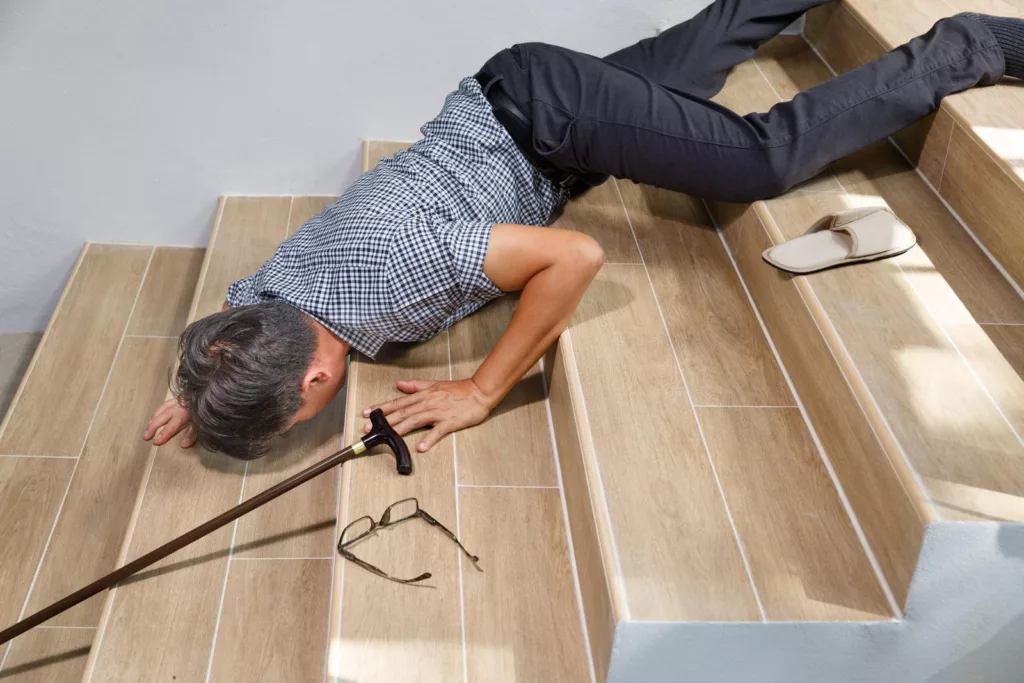
- Slip and fall injuries
- Broken bones
- Head injuries or concussions
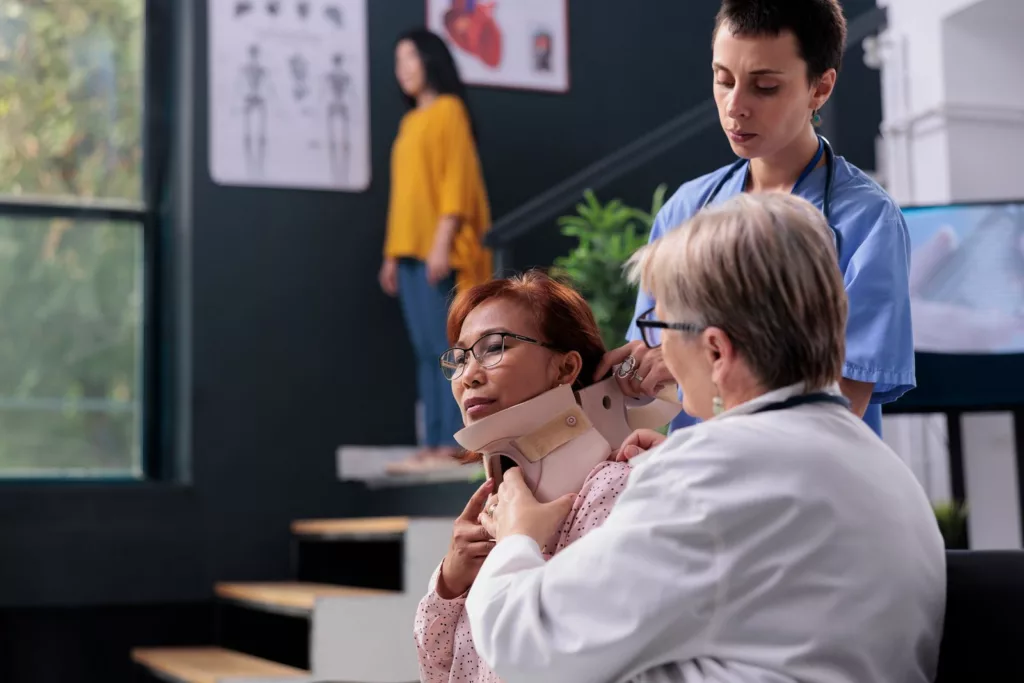
- Back and neck injuries
- Cuts and lacerations
- Burns from fuel or hot surfaces
Some injuries may not appear serious immediately but worsen over time. Seeking prompt medical evaluation ensures proper treatment and documentation.
Medical records also play a key role in linking the injury to the incident.
Real-World Examples of Gas Station Injury Claims
Understanding how these incidents occur in real life can help clarify when a business may be responsible. These examples show how negligence can lead to valid personal injury claims.
Slip on Gasoline Spill Near Pump
A customer slips on gasoline that had been leaking from a pump for an extended period.
- Why liability may apply: The hazard existed long enough that staff should have addressed it
- Key evidence: Surveillance footage and maintenance logs
Failure to inspect and clean spills can create dangerous conditions for customers.
A Fall Inside a Store Due to a Wet Floor
For instance, imagine a customer slips inside the store where a drink spill was not cleaned or marked with warning signs.
- Why liability may apply: No warning signs or cleanup efforts
- Key evidence: Incident reports and witness statements
Indoor hazards often require immediate action from staff to prevent injuries.
A Customer Trips Over Broken Pavement in a Parking Lot
As an example, what if a person trips over a large pothole in the parking lot that had not been repaired?
- Why liability may apply: Known maintenance issue
- Key evidence: Photos, prior complaints, repair records
Outdoor hazards can be just as dangerous as indoor ones when ignored.
These examples highlight how proper maintenance and timely action can prevent injuries.
How State Laws Affect Your Claim
Premises liability laws vary by state and can affect how your case is handled. These differences impact fault, compensation, and deadlines.
- Florida: Modified comparative negligence; recovery allowed if you are not more than 50% at fault
- Texas: Modified comparative negligence with a 50% threshold
- Louisiana: Pure comparative negligence; recovery reduced by fault percentage
- Massachusetts: Recovery allowed if less than 51% at fault
- Michigan: Modified comparative negligence with additional no-fault considerations in some cases
Because fault can be shared, businesses and insurers may try to shift blame onto the injured person. Understanding your state’s laws helps protect your right to compensation.
What if the Store Claims the Hazard Was Obvious?
Businesses often argue that a hazard was “open and obvious” to avoid liability. This defense suggests that a reasonable person should have seen and avoided the danger.
However, this argument does not always eliminate liability. Factors such as lighting, distractions, and the nature of the hazard can affect whether it was truly obvious.
Even if you share some responsibility, you may still recover compensation depending on your state’s negligence laws. Evaluating this defense requires a detailed look at the circumstances of the incident.
How Much Could Your Case Be Worth?
The value of a personal injury claim depends on several factors related to your injuries and losses. More severe and long-lasting injuries typically result in higher compensation.
Damages may include:
- Medical expenses
- Lost income
- Pain and suffering
- Emotional distress
- Future medical care
Insurance companies often attempt to minimize payouts, especially in premises liability cases. Proper documentation and legal representation can help ensure your damages are fully considered.
How RTRLAW Helps After a Gas Station Injury
Premises liability cases can be complex, especially when businesses dispute responsibility. Proving negligence often requires evidence such as surveillance footage, maintenance records, and witness testimony.
RTRLAW’s experienced personal injury attorneys help clients investigate accidents, identify liable parties, and build strong claims for compensation. Our team has decades of experience representing injury victims across Florida and Texas.
If you were injured at a gas station or convenience store, you may have legal options. Contact RTRLAW today for a free consultation by calling 1-833-HIRE-RTR, and let us help you protect your rights and pursue the compensation you deserve.